Snorkeling guide
Snorkeling in Puerto Rico
Puerto Rico's snorkeling is spread around the island: Escambrón Beach in San Juan for an easy city swim, Culebra's Cayo Luis Peña and Tamarindo beach, Blue Beach on Vieques, Icacos on catamaran trips from Fajardo and the reserve at La Parguera. Guided trips cost US$70–113 per adult with gear (prices checked November 2026).
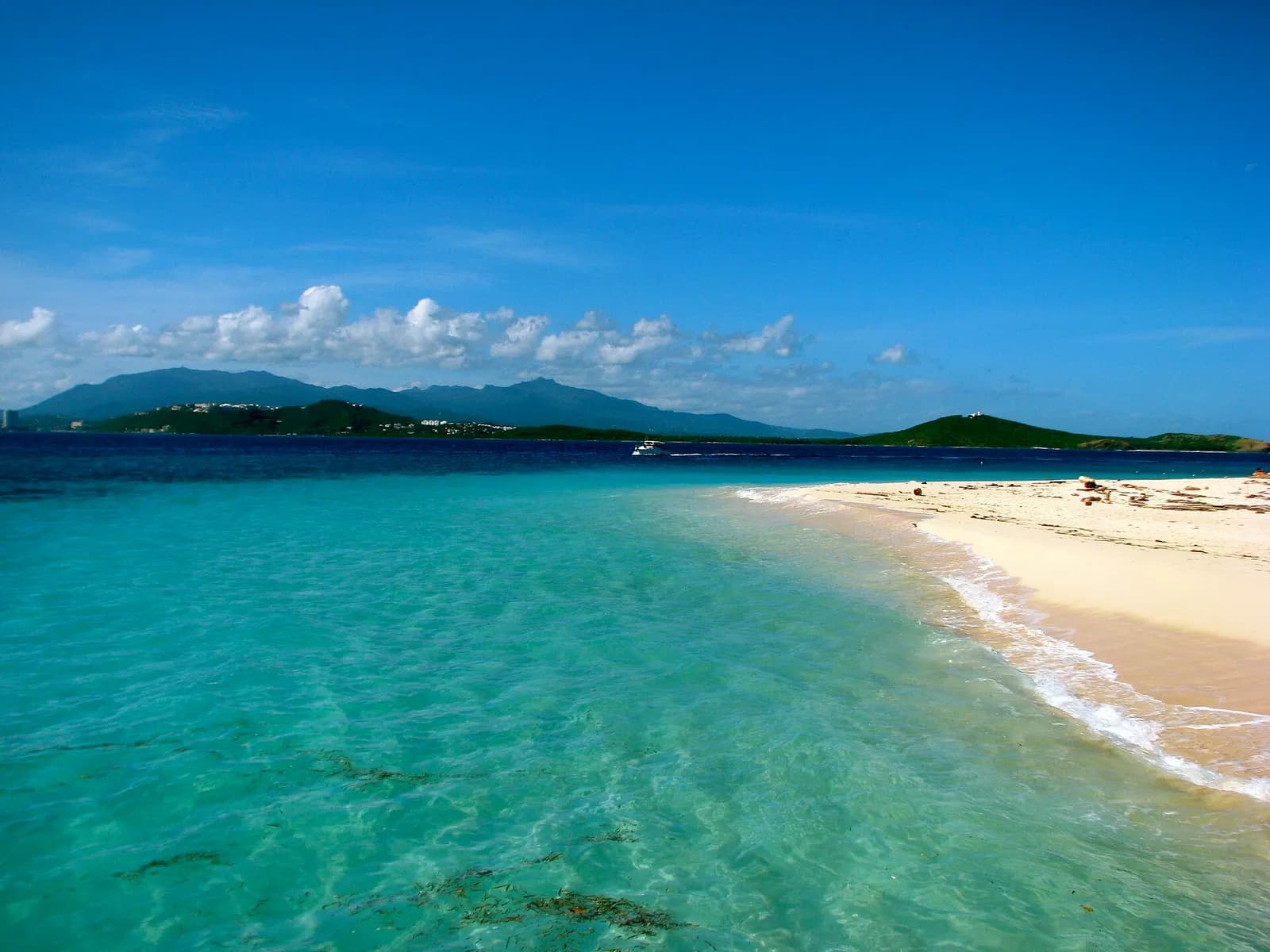
Key facts
- Water temperature
- 26.2–28.9 °C (79–84 °F)Monthly average, coolest to warmest month
- Snorkel tour
- US$105Typical price, checked
Book a snorkeling trip in Puerto Rico
Trips run by local operators, booked on Viator or GetYourGuide.
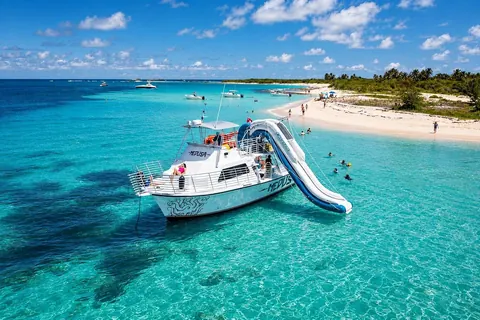 ViatorIcacos or Vieques All-Inclusive Snorkel & Waterslide Boat TourView on Viator (opens in a new tab)
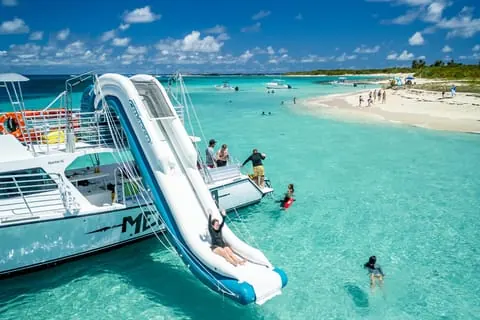 GetYourGuideFajardo: Cayo Icacos Snorkeling Cruise with Slide and LunchView on GetYourGuide (opens in a new tab)
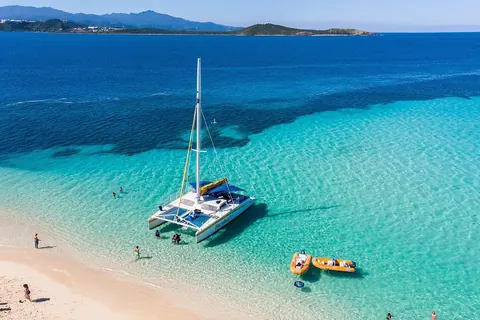 ViatorIcacos Deserted Island Catamaran, Snorkel, and Picnic CruiseView on Viator (opens in a new tab)
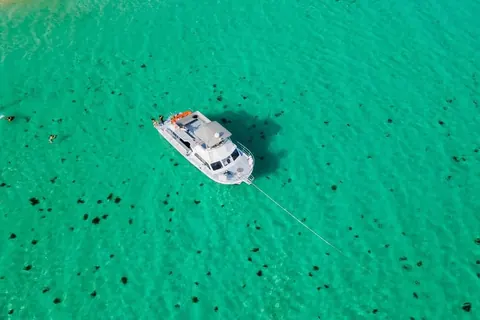 GetYourGuideFajardo: Culebra Island Guided Snorkeling Boat TourView on GetYourGuide (opens in a new tab)
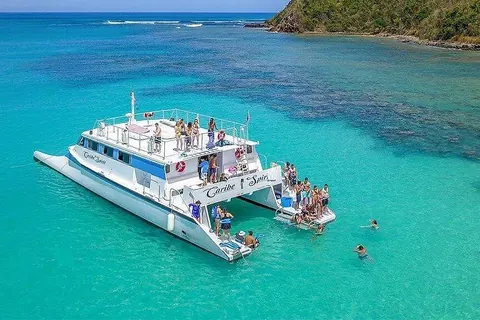 ViatorCulebra Snorkeling Tour by Catamaran from FajardoView on Viator (opens in a new tab)
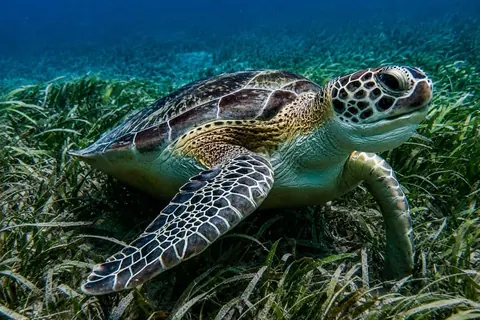 GetYourGuideVieques: Snorkeling Tour with Sea Turtles and StingraysView on GetYourGuide (opens in a new tab)
All Puerto Rico trips on Viator (opens in a new tab)
Ratings from GetYourGuide travellers.
Where is the best snorkeling in Puerto Rico?
The best snorkeling in Puerto Rico is around Culebra, at Cayo Luis Peña and the Tamarindo and Carlos Rosario beaches, on Vieques at Blue Beach and Isla Chiva, and on the catamaran trips from Fajardo to Icacos, with Escambrón Beach as the easy option in San Juan.
- Escambrón Beach, San Juan: a city beach next to the Caribe Hilton, sheltered from Atlantic waves by rock formations; the fish near shore are used to snorkelers, and Scuba Dogs rents gear and runs tours on the beach.
- Icacos (from Fajardo): a cay off the east coast, reached on catamaran day sails from Villa Marina that stop at reefs before the beach.
- Cayo Luis Peña, Culebra: a cay ringed by coral reefs with fish, sea turtles and rays, inside a no-take nature reserve.
- Tamarindo and Carlos Rosario, Culebra: beach reefs just offshore with reef fish, turtles and rays, and among the best snorkeling on Culebra.
- La Parguera, Lajas: a south-coast reserve of mangrove cays, shallow calm channels and reefs with sea stars and sea cucumbers; boat trips there also visit the bioluminescent bay.
- Steps Beach, Rincón: shore snorkeling inside the Tres Palmas Marine Reserve off the west-coast surf town, with guided shore tours from the beach.
- Blue Beach and Isla Chiva, Vieques: reef beaches on a largely undeveloped island, where fish, turtles, rays and nurse sharks are easy to spot.
The levels and currents in the table are a rough guide, not an official grade. Steps Beach is marked intermediate as a precaution, because Rincón is a surf town; look at the waves before you go in anywhere on the open coast.
| Spot | Entry | Level | Currents | Facilities | Highlights |
|---|---|---|---|---|---|
| Escambrón Beach, San Juan | Shore | Beginner | Mild | Snorkel and dive rental and tours on the beach (Scuba Dogs) | City beach next to the Caribe Hilton, sheltered from Atlantic waves by rock formations; the fish near shore are used to snorkelers. |
| Icacos cay (from Fajardo) | Boat | Beginner | Mild | Catamaran day trips from Villa Marina, Fajardo, with gear, lunch and drinks | Cay off the east coast reached on catamaran day sails from Fajardo that stop at reefs to swim with tropical fish, then at Icacos beach. |
| Cayo Luis Peña, Culebra | Boat | Beginner | Mild | – | Cay off Culebra ringed by coral reefs with fish, sea turtles and rays, in the Luis Peña Channel Natural Reserve (no-take since 1999). |
| Tamarindo and Carlos Rosario beaches, Culebra | Shore | Beginner | Mild | Snorkel gear and tours in Culebra town (Culebra Snorkeling and Dive Center, Culebra Divers) | Beach reefs just offshore with reef fish, sea turtles and rays; among the island's best snorkeling per the tourism board. |
| La Parguera Nature Reserve, Lajas | Boat | Beginner | Mild | – | South-coast reserve of mangrove cays, shallow calm channels and reefs with sea stars and sea cucumbers; boat trips also visit the bioluminescent bay. |
| Steps Beach, Tres Palmas Marine Reserve, Rincón | Shore | Intermediate | Mild | – | Shore snorkeling inside a marine reserve off the west-coast surf town of Rincón; guided shore tours run from the beach. |
| Blue Beach and Isla Chiva, Vieques | Shore | Beginner | Mild | – | Beaches on largely undeveloped Vieques with coral reefs where fish, turtles, rays and nurse sharks are easy to spot. |
How do you snorkel on Culebra?
On Culebra you can snorkel the beach reefs at Tamarindo and Carlos Rosario from shore, renting gear in Culebra town, or take a boat to Cayo Luis Peña, a cay ringed by coral inside the Luis Peña Channel Natural Reserve.
The reserve was designated on 11 June 1999 and closed to all fishing and taking of marine life on 30 September 1999, so look and take nothing. Fish, sea turtles and rays are the usual sightings at all three spots. Culebra Snorkeling and Dive Center and Culebra Divers rent gear and run tours from town. If you also plan a day at Flamenco Beach, check the current parking and entry charges locally before you go.
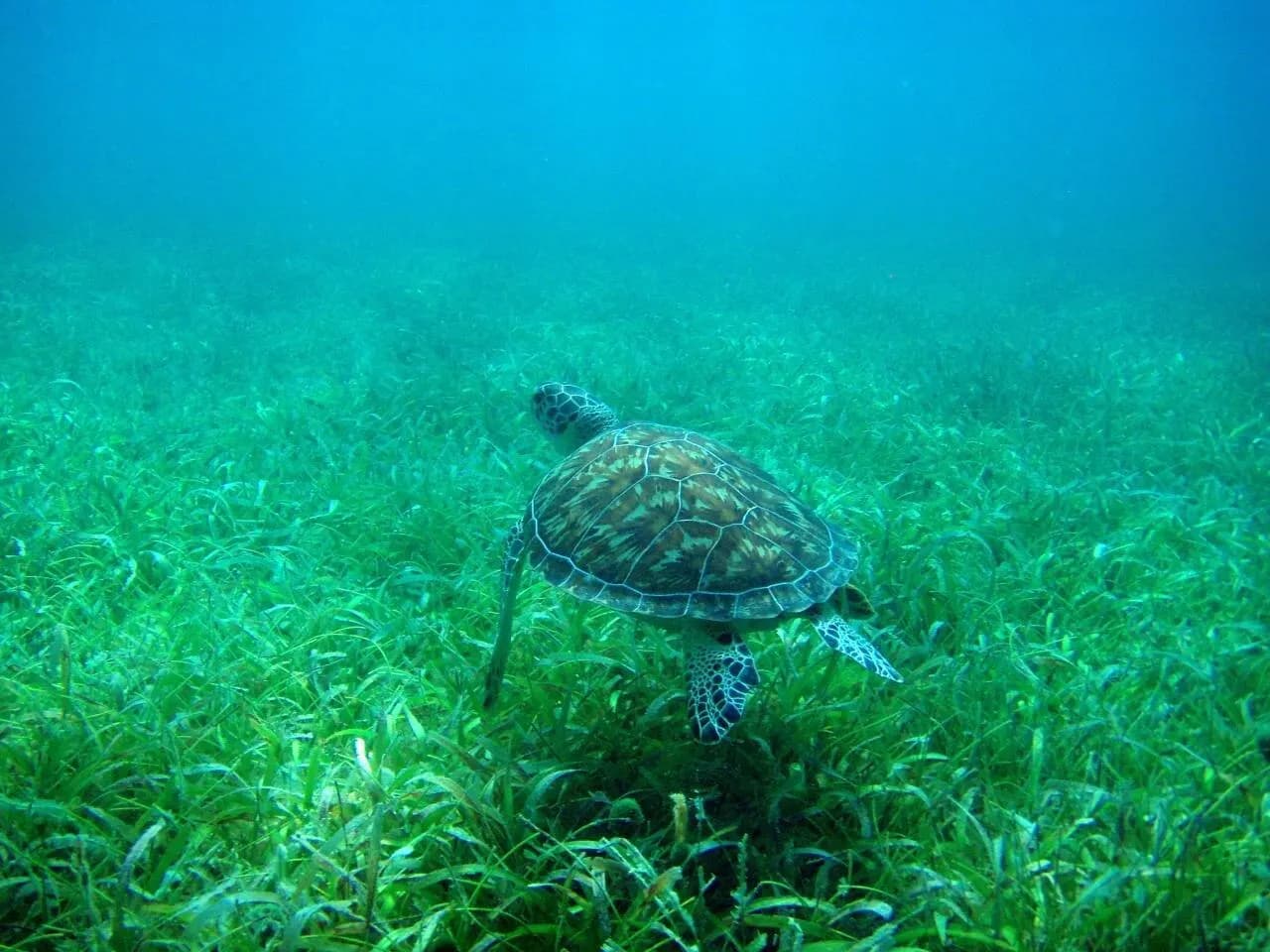
What should you know before snorkeling on Vieques?
Vieques is largely undeveloped, with reef beaches such as Blue Beach and Isla Chiva where fish, turtles, rays and nurse sharks are easy to spot, and its national wildlife refuge is free to enter but has closed areas.
The Vieques National Wildlife Refuge charges no entrance fee. It opens at 7:00 a.m. and closes at 7:30 p.m. from 1 February to 30 September, and at 6:30 p.m. from 1 October to 31 January, so plan a late swim around closing time. Much of the eastern refuge stays closed to the public because of unexploded ordnance: keep out of closed areas, stay on open roads and do not drive off-road. Taking plants or animals, flying drones, camping and open fires are prohibited.
How much does a snorkel tour cost in Puerto Rico?
A snorkel trip in Puerto Rico costs US$70–113 per adult with gear: US$70 for a 2.5-hour reef trip at La Parguera, and US$105–113 for a catamaran day sail of about 5.5 hours from Fajardo with lunch.
Paradise Scuba's La Parguera reef trip includes drinks. From Fajardo, Al Este's catamaran to Icacos (US$105) includes lunch and drinks, and the Spread Eagle II day sail (US$113) includes lunch. None of the three states taxes or service fees, so ask when you book. For a beach day without a boat, Escambrón, Tamarindo, Carlos Rosario, Steps Beach and the Vieques beaches are all shore entries.
Prices checked
| Item | Typical price | Range |
|---|---|---|
| Snorkel tour | US$105 | US$70–US$113 |
Prices change; confirm with the operator before you book.
What rules apply to snorkeling in Puerto Rico?
In Puerto Rico you may take no marine life inside the Luis Peña Channel Natural Reserve off Culebra, and federal law protects dolphins, whales and manatees from feeding, chasing, touching or any other harassment.
If a dolphin or manatee approaches you, watch it without interfering and let it leave on its own terms. La Parguera and Tres Palmas are reserves too, so ask your operator about local rules, or read the signs at the beach, before you go in. The Vieques refuge rules (no collecting, no drones, closed areas) are in the section above.
- The Canal Luis Peña Natural Reserve off Culebra was designated on 11 June 1999 and declared a no-take fishery reserve on 30 September 1999: no fishing or taking of marine life.
- Vieques National Wildlife Refuge: much of the eastern refuge is closed to the public because of unexploded ordnance; stay out of closed areas and on open roads (no off-road driving).
- Vieques National Wildlife Refuge: removing plants or animals, drones, camping and open fires are prohibited. Open 7:00 a.m. to 7:30 p.m. from 1 February to 30 September and 7:00 a.m. to 6:30 p.m. from 1 October to 31 January.
- Dolphins, whales and manatees are protected by the U.S. Marine Mammal Protection Act: feeding, chasing, touching or otherwise harassing them is prohibited; observe animals that approach without interfering.
| Fee | Amount |
|---|---|
| Vieques National Wildlife Refuge entry (no entrance fee) | Free |
When is the best time to snorkel in Puerto Rico?
Puerto Rico's sea is warmest from August to October, at 28.6–28.9 °C (83–84 °F), and coolest in February and March at 26.2 °C (79 °F), but the warm months fall in the Atlantic hurricane season, which runs from June to November.
Activity across the Atlantic peaks around September, so keep late-summer plans flexible and watch the forecast. From December to May the sea stays between 26.2 °C and 27.4 °C (79–81 °F), and those months fall outside the hurricane season.
Can you scuba dive in Puerto Rico?
Yes: several of Puerto Rico's snorkel bases are dive shops too, such as Scuba Dogs on Escambrón Beach in San Juan, Culebra Divers and Culebra Snorkeling and Dive Center on Culebra, and Paradise Scuba at La Parguera.
This page covers snorkeling only, so ask those shops directly for dive trips and their prices. If you would like to get certified first, our guide to learning to dive explains how certification works.
Frequently asked questions
Where can you snorkel from the beach in San Juan?
Escambrón Beach, next to the Caribe Hilton, is San Juan's snorkel beach. Rock formations shelter it from the Atlantic waves, and the fish close to shore are used to snorkelers. Scuba Dogs rents snorkel and dive gear on the beach and runs guided tours, so you can arrive without equipment. Check the parking charge on the day.
Do you need a tour to snorkel in Puerto Rico?
Not everywhere. Escambrón in San Juan, Tamarindo and Carlos Rosario on Culebra, Steps Beach in Rincón and Blue Beach and Isla Chiva on Vieques are shore entries. You need a boat for Cayo Luis Peña, for Icacos off Fajardo and for the reefs of La Parguera, where trips start at US$70 per adult with gear.
Can you swim with manatees or dolphins in Puerto Rico?
You can watch them, but not touch, feed or chase them. Dolphins, whales and manatees are protected under the U.S. Marine Mammal Protection Act, which bans feeding, chasing, touching and any other harassment. If an animal swims up to you, stay calm, keep your hands to yourself and let it decide how close to come and when to leave.
Is there a fee to snorkel in Puerto Rico?
The Vieques National Wildlife Refuge charges no entrance fee. For the other spots, including beach parking at Flamenco Beach on Culebra or Escambrón in San Juan, check the current charges locally, because fees change. Boat trips cost US$70–113 per adult with gear, and nothing may be taken from the reserve around Cayo Luis Peña.
What can you see snorkeling at La Parguera?
The La Parguera Nature Reserve near Lajas on the south coast is a maze of mangrove cays, shallow calm channels and reefs, with sea stars and sea cucumbers on the bottom. Boat trips there also visit the bioluminescent bay. Paradise Scuba's 2.5-hour reef trip costs US$70 per adult with gear and drinks.


