Snorkeling guide · United States
Snorkeling in the Florida Keys
Florida Keys snorkeling happens on the offshore reef, so every trip starts on a boat: Key Largo Dry Rocks with its Christ of the Deep statue, Grecian Rocks and Molasses off Key Largo, Cheeca Rocks and Alligator Reef off Islamorada, Sombrero Key off Marathon and Looe Key in the Lower Keys. A reef trip with gear usually costs about US$67.50.
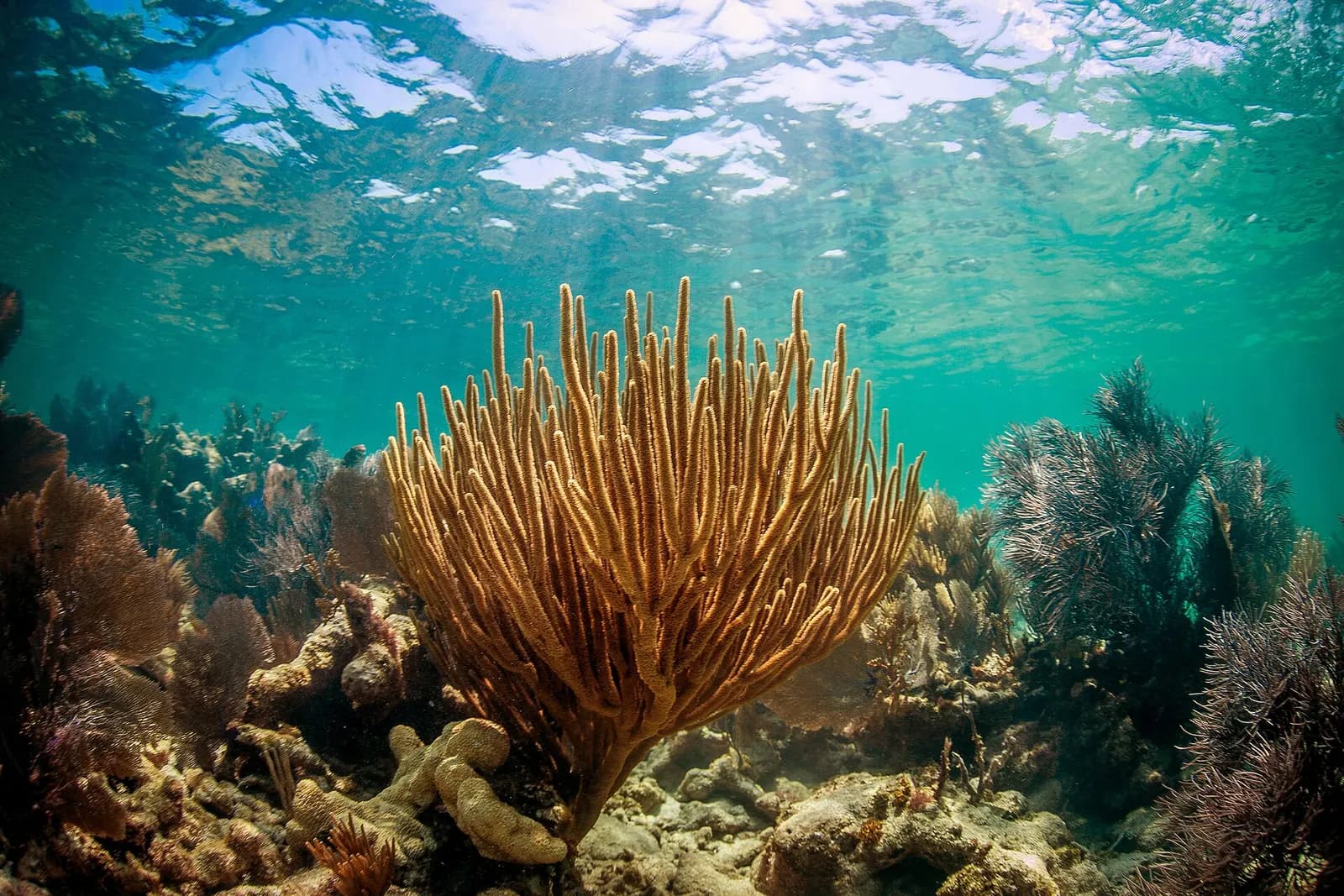
Key facts
- Best months
- April to July
- Water temperature
- 23.8–29.9 °C (75–86 °F)Monthly average, coolest to warmest month
- Snorkel tour
- US$67.50Typical price, checked
- Airports
- Key West International Airport (EYW), Florida Keys Marathon International Airport (MTH), Miami International Airport (MIA)
Book a snorkeling trip in Florida Keys
Trips run by local operators, booked on Viator or GetYourGuide.
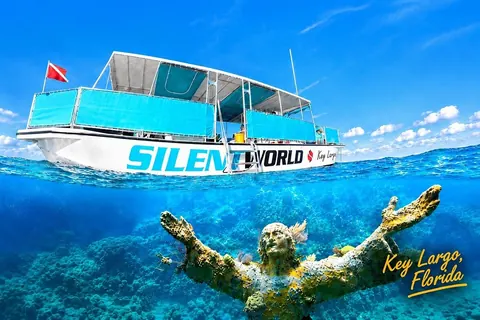 ViatorKey Largo Two Reef Snorkel Tour - All Snorkel Equipment Included!View on Viator (opens in a new tab)
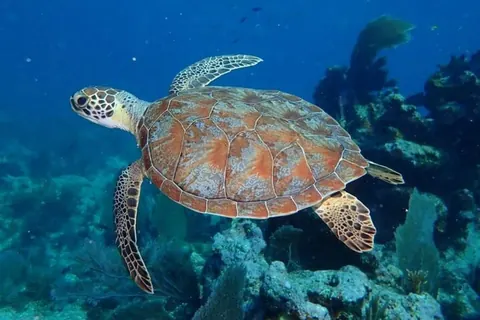 GetYourGuideKey Largo: Snorkeling TripView on GetYourGuide (opens in a new tab)
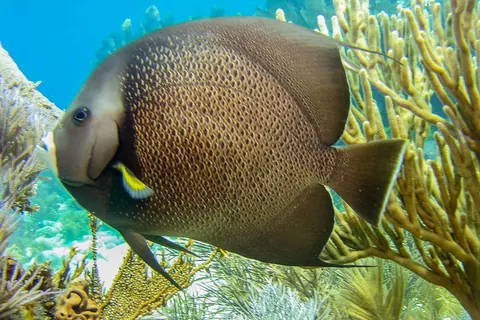 ViatorHalf Day Snorkel Trip on Reefs in the Florida KeysView on Viator (opens in a new tab)
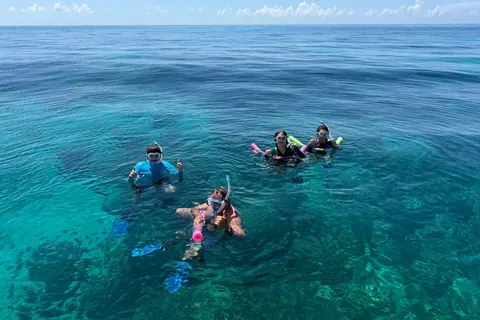 GetYourGuideKey Largo: Private Snorkel Charter with GoPro & Snorkel GearView on GetYourGuide (opens in a new tab)
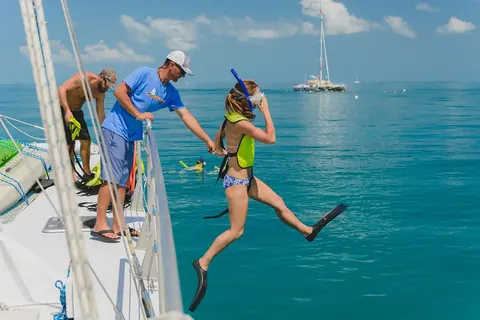 ViatorKey West Morning Snorkel Sail with Mimosas and Gourmet BreakfastView on Viator (opens in a new tab)
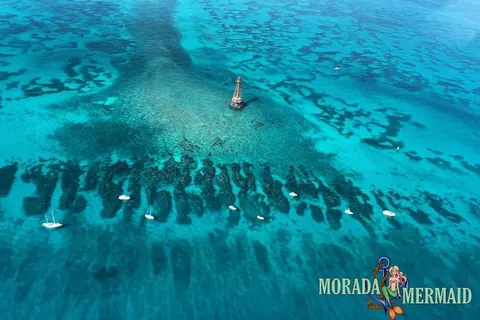 GetYourGuideIslamorada: 2-in-1 Reef Snorkeling & Sandbar AdventureView on GetYourGuide (opens in a new tab)
All Florida Keys trips on Viator (opens in a new tab)
Ratings from GetYourGuide travellers.
Where is the best snorkeling in the Florida Keys?
The best snorkeling in the Florida Keys is on seven protected reefs of the national marine sanctuary: Key Largo Dry Rocks, Grecian Rocks and Molasses off Key Largo, Cheeca Rocks and Alligator Reef off Islamorada, Sombrero Key off Marathon and Looe Key in the Lower Keys.
All seven are Sanctuary Preservation Areas, the sanctuary's no-take zones, and all are boat trips. Several are shallow: Cheeca Rocks lies 2.4–6 m (8–20 ft) deep, parts of Alligator Reef only about 2.4 m (8 ft), and the crest of Grecian Rocks breaks the surface at low tide.
Key West's own reefs and the Dry Tortugas ferry have a separate page: see our Key West snorkeling guide.
| Spot | Entry | Level | Currents | Facilities | Highlights |
|---|---|---|---|---|---|
| Key Largo Dry Rocks (Christ of the Deep statue) | Boat | Beginner | Mild | – | A 9-foot bronze Christ statue stands in a sand channel on the seaward side of the reef in less than 7.6 m of water. Boats tie up to the mooring buoys around the reef and go around them, never across. |
| Grecian Rocks (Key Largo) | Boat | Beginner | Mild | – | One mile south of Key Largo Dry Rocks: a reef crest that breaks the surface at low tide, stands of elkhorn coral and swaying soft corals, down to about 9 m, with scattered coral heads and seagrass beyond. |
| Molasses Reef (Key Largo) | Boat | Intermediate | Mild | – | The most visited reef in the Upper Keys: a classic outer spur-and-groove reef with boulder corals and plenty of fish, plus a ship's winch and an old Spanish anchor near the Molasses Reef light. |
| Cheeca Rocks (Islamorada) | Boat | Beginner | Mild | – | Small inshore patch reef southeast of Upper Matecumbe Key, 2.4 to 6 m deep, with coral heads hundreds of years old; a long-term climate monitoring site. |
| Alligator Reef (Islamorada) | Boat | Beginner | Mild | – | Bank reef under the black-and-white Alligator Reef Lighthouse, 4.5 miles off Indian Key; parts lie in about 2.4 m of water, and 632 fish species had been recorded here by 2020. |
| Sombrero Key (Marathon) | Boat | Beginner | Mild | – | Spur-and-groove reef four miles off Boot Key beside the 1858 Sombrero Key Light, under 9 m deep: one of the most popular snorkel sites in the Middle Keys and a Mission: Iconic Reefs restoration site. |
| Looe Key (off Big Pine and Ramrod Keys) | Boat | Beginner | Mild | – | Spur-and-groove reef about 6.3 miles south of Ramrod Key, named after HMS Loo, which sank there in 1744; parrotfish and surgeonfish on the north side, barracuda and jacks on top, grunts and angelfish on the crest. |
Where can you snorkel in Key Largo?
Key Largo's main snorkel reefs are Key Largo Dry Rocks, where a 9-foot (2.7 m) bronze Christ statue stands in a sand channel less than 7.6 m (25 ft) deep, Grecian Rocks 1 mile (1.6 km) to the south, and Molasses, the most visited reef in the Upper Keys.
- Key Largo Dry Rocks: the Christ of the Deep statue sits on the seaward side of the reef. Boats tie up to the mooring buoys around the reef and go around them, never across.
- Grecian Rocks: stands of elkhorn coral and swaying soft corals along the crest, down to about 9 m (30 ft), then scattered coral heads and seagrass.
- Molasses Reef: a classic outer spur-and-groove reef with boulder corals and plenty of fish, plus a ship's winch and an old Spanish anchor near the Molasses Reef light.
These descriptions may not match the coral you find after the 2023 bleaching (see below). If you drive into John Pennekamp Coral Reef State Park, entry is US$8 per vehicle with 2–8 people plus a US$0.50 county surcharge per person, US$4 for a single-occupant vehicle and US$2.50 on foot or by bike. Divers will find the Key Largo wrecks and reef dives in our Key Largo diving guide.
Which reefs can you snorkel from Islamorada and Marathon?
Islamorada's snorkel reefs are Cheeca Rocks, a small inshore patch reef southeast of Upper Matecumbe Key, and Alligator Reef under its lighthouse 4.5 miles (7.2 km) off Indian Key, while Marathon's is Sombrero Key, 4 miles (6.4 km) off Boot Key.
Cheeca Rocks has coral heads hundreds of years old and is a long-term climate monitoring site. Alligator Reef is a bank reef under the black-and-white Alligator Reef Lighthouse, where 632 fish species had been recorded by 2020. Sombrero Key, beside the 1858 Sombrero Key Light, is a spur-and-groove reef under 9 m (30 ft) deep and one of the most popular snorkel sites in the Middle Keys; it is also a Mission: Iconic Reefs restoration site, so keep fins and hands off the bottom.
What can you see snorkeling at Looe Key?
Looe Key, a spur-and-groove reef about 6.3 miles (10 km) south of Ramrod Key, has parrotfish and surgeonfish on its north side, barracuda and jacks over the top and grunts and angelfish along the crest.
The reef takes its name from HMS Loo, which sank there in 1744, and it lies off Big Pine and Ramrod Keys in the Lower Keys. For the reefs off Key West itself and the Dry Tortugas day trip, our Key West snorkeling guide has the details.
What does a reef snorkel trip cost in the Florida Keys?
Expect to pay about US$67.50 for a Florida Keys reef snorkel by boat with gear included, and listed prices run from US$50 to US$79 (prices checked November 2026).
In Key Largo, Horizon Divers charges US$50 plus tax, Rainbow Reef US$60 and Silent World from US$79; in Key West, Lost Reef Adventures charges US$75. Ask whether tax is included and which reefs the trip plans to visit. If you are certified, a two-location reef dive costs more; our Florida Keys diving guide lists dive prices from Key Largo to Key West.
Prices checked
| Item | Typical price | Range |
|---|---|---|
| Snorkel tour | US$67.50 | US$50–US$79 |
Prices change; confirm with the operator before you book.
What rules protect the reefs you snorkel in the Florida Keys?
Throughout the Florida Keys National Marine Sanctuary, snorkelers fly a divers-down flag and may not feed fish or take coral, and on the seven protected reefs on this page fishing and collecting are banned and you may not touch or stand on coral.
Boats must drop to idle, no-wake speed within 100 yards (91 m) of a divers-down flag, so the flag is your protection from passing traffic. The no-touch rule covers dead coral as well as living coral, and the sanctuary-wide ban on removing or injuring coral includes live rock. Boats use the mooring buoys rather than anchoring on coral, and from 2027 most Sanctuary Preservation Areas will ban anchoring of any kind, with Cheeca Rocks among the exceptions. The rules and the state park fee follow.
- Snorkelers must fly a divers-down flag anywhere in the Florida Keys National Marine Sanctuary, and boats must slow to idle, no-wake speed within 100 yards of one.
- Feeding or attracting fish, sharks included, is banned throughout the sanctuary, and so is removing, injuring or keeping coral or live rock.
- Sanctuary Preservation Areas (Key Largo Dry Rocks–Grecian Rocks, Molasses, Alligator, Cheeca Rocks, Sombrero Key, Looe Key) are open to snorkeling but closed to fishing and collecting; never touch or stand on living or dead coral.
- In Sanctuary Preservation Areas boats must use a mooring buoy when one is free and may not anchor on coral; from 2027 anchoring of any kind will be banned in most of them (Cheeca Rocks is one of the exceptions).
| Fee | Amount |
|---|---|
| John Pennekamp Coral Reef State Park entry, vehicle with 2–8 people | US$8 |
| John Pennekamp Coral Reef State Park, Monroe County surcharge per person | US$0.50 |
| John Pennekamp Coral Reef State Park entry, single-occupant vehicle | US$4 |
| John Pennekamp Coral Reef State Park entry, pedestrian or cyclist | US$2.50 |
How healthy are the Florida Keys reefs after the 2023 bleaching?
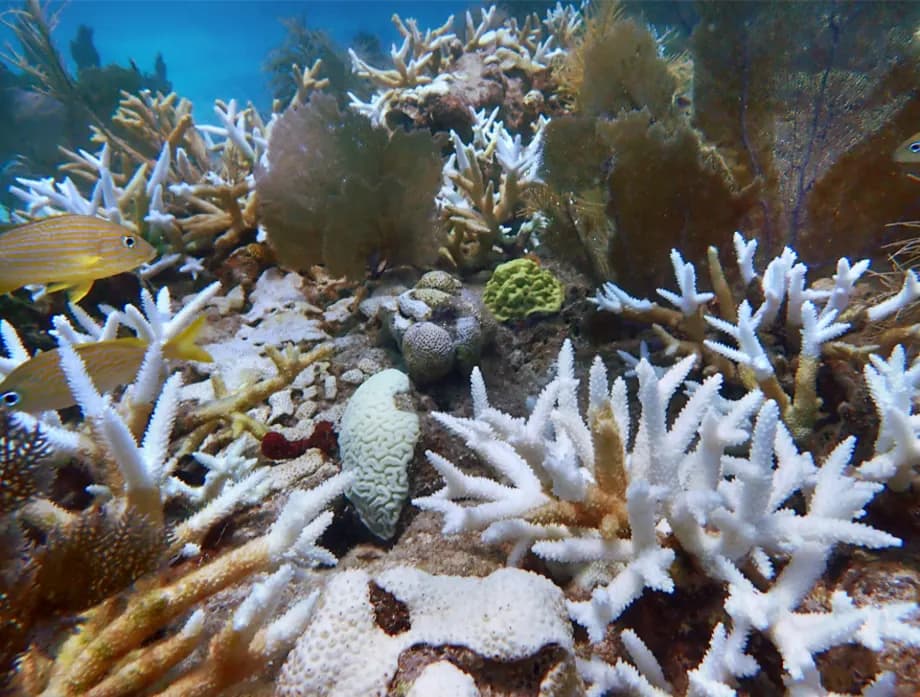
In summer 2023 record sea temperatures bleached and killed coral widely along the Florida Keys, so treat the coral descriptions on this page as possibly out of date.
Sombrero Key is one of the sites in the Mission: Iconic Reefs restoration program, while Cheeca Rocks is watched as a long-term climate monitoring site. The best help a snorkeler can give is simple: stay flat at the surface, kick gently and never stand up on the reef.
When is the best time to snorkel in the Florida Keys?
The best time to snorkel in the Florida Keys is April to July, when the sea is warm, about 27.1 °C (81 °F) in May and 28.6 °C (83 °F) in June, and the peak of the hurricane season is still ahead.
Storms are the main planning risk. The Atlantic hurricane season lasts from June through November and peaks around September, and summer brings thunderstorms and waterspouts, most often from June to September and mostly between late morning and evening, so book morning boats in summer. The water is warmest in August at 29.9 °C (86 °F) and coolest in January and February at 23.8 °C (75 °F).
Frequently asked questions
Can you snorkel the Christ of the Deep statue in Key Largo?
Yes. The 9-foot (2.7 m) bronze statue stands in a sand channel on the seaward side of Key Largo Dry Rocks, in less than 7.6 m (25 ft) of water, so snorkelers can see it from the surface. You need a boat to get there, and boats tie up to the mooring buoys around the reef instead of anchoring.
Is Key Largo or Key West better for snorkeling?
Key Largo puts three protected reefs close together, Key Largo Dry Rocks with the Christ statue, Grecian Rocks and Molasses, and its trips start at US$50 plus tax. Key West offers Sand Key, the Sambos and the Dry Tortugas ferry, and Lost Reef Adventures there charges US$75 for a reef trip. Both sit inside the same sanctuary, so the same flag and coral rules apply wherever you swim.
Is Florida Keys snorkeling good for beginners?
Yes, on the shallow reefs. Cheeca Rocks off Islamorada lies 2.4–6 m (8–20 ft) deep, parts of Alligator Reef only about 2.4 m (8 ft), and Sombrero Key off Marathon stays under 9 m (30 ft). Every spot is reached by boat, so if you are unsure of your swimming, tell the crew before you get in and stay close to the boat.
Can you touch the coral when snorkeling in the Florida Keys?
No. On the sanctuary's protected reefs, including every spot on this page, you may not touch or stand on coral, living or dead, and anywhere in the sanctuary it is illegal to remove, injure or keep coral or live rock. Keep your fins up and away from the bottom, especially at Grecian Rocks, where the reef crest reaches the surface at low tide.
How much is entry to John Pennekamp Coral Reef State Park?
John Pennekamp Coral Reef State Park in Key Largo charges US$8 per vehicle with 2–8 people plus a US$0.50 county surcharge per person, US$4 for a single-occupant vehicle and US$2.50 for pedestrians and cyclists. The offshore reefs themselves, such as Key Largo Dry Rocks and Molasses, are reached by boat and fall under the national marine sanctuary's rules.


