Best Places to Scuba Dive in the World
Six places share the top score when 37 dive destinations are rated on four things: the big animals you can meet, easy sites for beginners, the length of the best season and the price of an Open Water course. Bali, the Gili Islands, Hurghada, Koh Tao, Marsa Alam and Phuket each score 10 of 12.
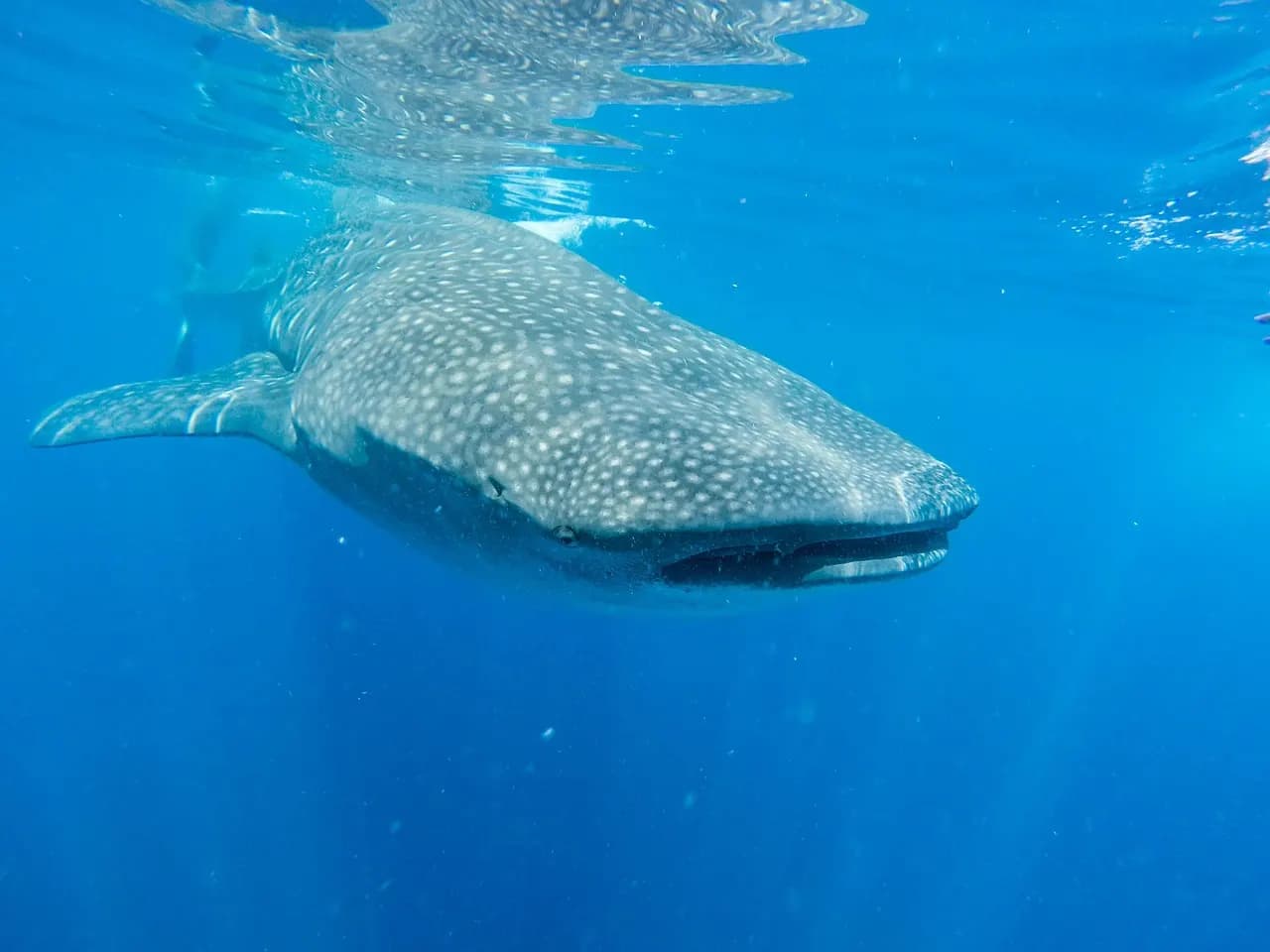
Popular dive trips
Trips run by local operators, booked on Viator or GetYourGuide.
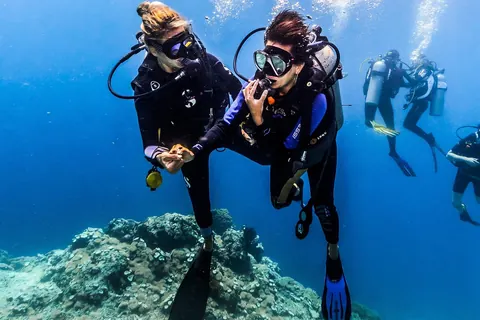 ViatorBaliDiscover Scuba Diving in Tulamben, BaliView on Viator (opens in a new tab)
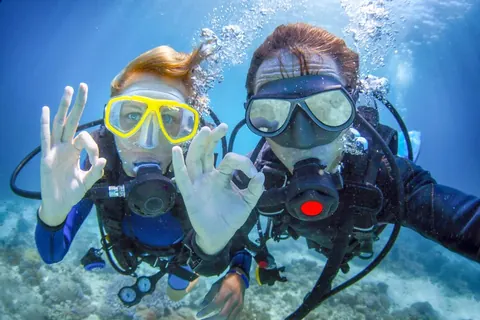 GetYourGuideBaliBali: Tulamben Bay Beginner's Dive ExperienceView on GetYourGuide (opens in a new tab)
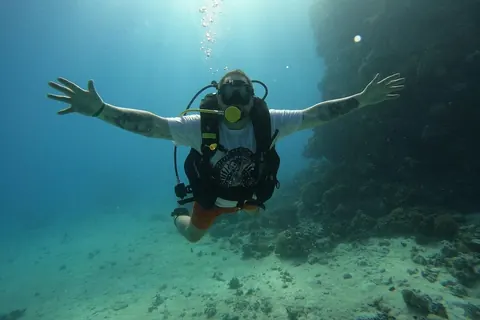 ViatorHurghadaHurghada Diving Adventure one Day with two Dives Boat TripView on Viator (opens in a new tab)
 GetYourGuideGili IslandsGili Trawangan: Discover Scuba Diving for BeginnersView on GetYourGuide (opens in a new tab)
 ViatorKoh TaoOpen Water Course - Become certified diver in 3 daysView on Viator (opens in a new tab)
 GetYourGuideHurghadaHurghada: Full-Day Boat Trip with 2 Scuba Dives and LunchView on GetYourGuide (opens in a new tab)
Ratings from GetYourGuide travellers.
Which are the best places to scuba dive?
Bali, the Gili Islands, Hurghada, Koh Tao, Marsa Alam and Phuket share first place with 10 of 12 points, followed by Tulamben and Amed with 9 and seven places with 8.
Each criterion gives up to 3 points, as explained in the next section. Ties share a rank and are listed alphabetically. A place with a guide of its own is scored on its own, even when it sits inside a larger guide: Bali, Nusa Penida and Tulamben and Amed; the Great Barrier Reef and Cairns; Hawaii and Maui; the Florida Keys and Key Largo; Vietnam and Phu Quoc. The Red Sea and Thailand overviews are not scored, since their towns and coasts are. To compare the places of one region side by side, open its overview below.
- Southeast AsiaSoutheast Asia's dive areas compared by season, water, big animals and price: Bali, Komodo, Raja Ampat, Thailand, the Philippines, Malaysia and Vietnam.
- Red SeaEgypt's Red Sea compared: Hurghada, Sharm el Sheikh, Dahab and Marsa Alam by season, water and price, plus offshore shark reefs, wrecks and chambers.
- Indian OceanIndian Ocean diving compared: the Maldives, Zanzibar and Mauritius by season, mantas, whale sharks and dolphins, water temperature, prices and marine fees.
- Australia & PacificThe Great Barrier Reef, Palau, Fiji, Hawaii and Okinawa compared for divers: best months, water temperature, sharks and mantas, dive prices and chambers.
- CaribbeanCaribbean diving compared: Bonaire, Curaçao, Cozumel, Belize, Roatan, Cancun and the Florida Keys by season, hurricanes, sharks, shore diving and prices.
- Eastern PacificEastern Pacific diving compared: Cabo San Lucas, Cabo Pulmo, La Paz and the Galápagos by season, hammerheads, sea lions and whale sharks, prices and park fees.
- MediterraneanDiving in the Mediterranean from Malta and Gozo: shore-entered wrecks and caves, the May–October boat season, water temperature by month, prices and chambers.
| Rank | Destination | Big animals | Beginners | Season | Price | Total |
|---|---|---|---|---|---|---|
| 1 | Bali | 3 | 2 | 2 | 3 | 10 |
| 1 | Gili Islands | 2 | 3 | 2 | 3 | 10 |
| 1 | Hurghada | 2 | 2 | 3 | 3 | 10 |
| 1 | Koh Tao | 2 | 2 | 3 | 3 | 10 |
| 1 | Marsa Alam | 2 | 3 | 2 | 3 | 10 |
| 1 | Phuket | 3 | 2 | 2 | 3 | 10 |
| 7 | Tulamben & Amed | 1 | 3 | 2 | 3 | 9 |
| 8 | Bonaire | 0 | 3 | 3 | 2 | 8 |
| 8 | Cabo San Lucas & La Paz | 3 | 2 | 2 | 1 | 8 |
| 8 | Great Barrier Reef | 2 | 3 | 2 | 1 | 8 |
| 8 | Komodo | 2 | 2 | 2 | 2 | 8 |
| 8 | Malaysia | 1 | 2 | 2 | 3 | 8 |
| 8 | Vietnam | 0 | 3 | 2 | 3 | 8 |
| 8 | Zanzibar | 2 | 3 | 1 | 2 | 8 |
| 15 | Cairns & Port Douglas | 2 | 2 | 2 | 1 | 7 |
| 15 | Cancun & Riviera Maya | 2 | 1 | 2 | 2 | 7 |
| 15 | Curaçao | 0 | 2 | 3 | 2 | 7 |
| 15 | Hawaii | 3 | 1 | 2 | 1 | 7 |
| 15 | Mauritius | 2 | 2 | 1 | 2 | 7 |
| 15 | Nusa Penida | 2 | 0 | 2 | 3 | 7 |
| 15 | Philippines | 2 | 0 | 2 | 3 | 7 |
| 15 | Phu Quoc | 0 | 3 | 2 | 2 | 7 |
| 15 | Roatan & Utila | 2 | 1 | 1 | 3 | 7 |
| 24 | Belize | 2 | 0 | 2 | 2 | 6 |
| 24 | Dahab | 0 | 1 | 3 | 2 | 6 |
| 24 | Florida Keys | 1 | 3 | 1 | 1 | 6 |
| 24 | Key Largo | 0 | 3 | 1 | 2 | 6 |
| 24 | Maldives | 3 | 1 | 1 | 1 | 6 |
| 24 | Malta & Gozo | 0 | 2 | 2 | 2 | 6 |
| 24 | Okinawa | 2 | 1 | 2 | 1 | 6 |
| 24 | Raja Ampat | 2 | 1 | 2 | 1 | 6 |
| 24 | Sharm el Sheikh | 3 | 0 | 1 | 2 | 6 |
| 33 | Fiji | 2 | 0 | 2 | 1 | 5 |
| 33 | Galápagos | 2 | 0 | 2 | 1 | 5 |
| 33 | Maui | 1 | 2 | 1 | 1 | 5 |
| 36 | Cozumel | 0 | 0 | 2 | 2 | 4 |
| 36 | Palau | 2 | 0 | 1 | 1 | 4 |
What makes a dive destination rank high?
A dive destination ranks high when you can meet big animals there, find easy sites as a beginner, dive well for most of the year and learn without paying top prices, which is why Bali, the Gili Islands, Hurghada, Koh Tao, Marsa Alam and Phuket lead.
Each of the four score columns in the table is worth up to 3 points:
- Big animals: a point for each kind you can meet there, up to three: sharks, manta rays, whale sharks, oceanic sunfish, dolphins and whales. It counts which animals turn up, not how often you will see them.
- Beginners: a point if the place as a whole is easy for new divers, plus two if at least half of its dive sites are beginner level, or one if a quarter to half of them are.
- Season: three points for nine or more good months a year, two for six to eight, one for five or fewer.
- Price: the 37 places are lined up by the typical price of an Open Water course, with other currencies converted to euros, and split into thirds: the cheapest 12 get 3 points, the middle 13 get 2 and the dearest 12 get 1.
All four count the same, so a place strong on one thing and weak on the rest ends up lower: the Maldives gets 3 points for big animals but 1 for each of the others.
Which dive destinations have the most big animals on record?
Bali, Cabo San Lucas and La Paz, Hawaii, the Maldives, Phuket and Sharm el Sheikh each give you at least three kinds of big animal to look for, ahead of 19 places with two.
- Cabo San Lucas and La Paz: humpback whales in winter, juvenile whale sharks in the Bay of La Paz from October to April, hammerheads at El Bajo and Gordo Banks, and mobula rays at Neptune's Finger.
- Hawaii: the Kona manta night dive, humpback whales from about November to April, whitetip reef sharks on the Mahi wreck off Oahu and frequent dolphins in Kealakekua Bay.
- Maldives: whale sharks in the South Ari Marine Protected Area all year; reef mantas on the western side of the atolls from about January to April and on the eastern side from about June to October; grey reef sharks in the channels.
- Phuket: leopard sharks at the Phi Phi pinnacles, oceanic manta rays in the Similan–Surin area, seen most often from February to April, and whale sharks reported at Richelieu Rock in the same months.
- Sharm el Sheikh: mantas and whale sharks are most often reported from May to September, and schooling hammerheads are looked for at Jackson Reef in summer.
- Bali: the mantas and sunfish are around Nusa Penida, off Bali's south-east coast, with reef mantas at Manta Point in every month and sunfish mainly from July to November. Whitetip reef sharks rest in a cave at Gili Biaha.
- Whale sharks also turn up off Koh Tao in every season, at Gladden Spit in Belize mainly from March to June, off Utila in any month and, in summer, on trips from Cancun and Isla Mujeres.
- Sharks draw divers to Monad Shoal at Malapascua in the Philippines, where thresher sharks visit in every month, to Gordon Rocks in the Galápagos for schooling hammerheads, to Elphinstone off Marsa Alam for oceanic whitetips, mainly in autumn, and to Shark Reef in Fiji's Beqa Lagoon for bull, lemon and reef sharks.
- Mantas and whales: Komodo's Manta Point has reef mantas all year, most of them from about November to April; Okinawa adds mantas off Ishigaki and humpbacks around the Kerama Islands from January to March; dwarf minke whales visit the Great Barrier Reef mainly in June and July; Fiji has mantas off the Yasawas from about May to October and off Kadavu all year; and Mauritius adds reef sharks on its safari dives and humpback whales from about May to October.
- Liveaboard-only reefs: whale sharks on Galápagos liveaboards to Darwin and Wolf, mainly from June to November, and the oceanic whitetips and hammerheads of the Red Sea's offshore reefs are reached on liveaboards and are not counted for the land-based guides.
Which dive destinations suit beginners best?
Bonaire, the Florida Keys, the Gili Islands, the Great Barrier Reef, Key Largo, Marsa Alam, Phu Quoc, Tulamben and Amed, Vietnam and Zanzibar get full marks for beginners: each is easy for new divers overall, and at least half of their listed sites are rated beginner level.
- Marsa Alam: seven of eight sites are beginner level, among them the shore bays of Marsa Abu Dabbab and Marsa Mubarak.
- Tulamben and Amed: seven of nine, most of them entered from the beach, starting with the USAT Liberty wreck at 3–28 m (10–92 ft).
- Key Largo: seven of eleven, shallow reefs such as Molasses and Key Largo Dry Rocks, no deeper than 18 m (59 ft).
- Gili Islands: six of eight, with short boat rides and turtles on most of the main reefs.
- Phu Quoc: five of six sites, among them Turtle Island and Nail Island, shallow reefs no deeper than 12 m (39 ft).
- Vietnam: five of six Nha Trang sites, with Dam Bay, a calm reef at 6–15 m (20–49 ft), used for try dives and courses.
- Bonaire: four of its six listed sites, all four entered from the shore, among them Salt Pier and Yellow Submarine.
- Zanzibar, the Florida Keys and the Great Barrier Reef: six of nine, six of eleven and three of six sites.
To try diving before a full course, a Discover Scuba session usually costs about USD 135 on Bonaire, EUR 81.50 in Marsa Alam, USD 225 in the Florida Keys and AUD 384.5 on a Great Barrier Reef day trip. Our learning to dive guide explains the next steps.
Where can you dive in any month of the year?
Hurghada, Bonaire and Curaçao are rated good in all 12 months and Dahab and Koh Tao in nine, while Zanzibar has the shortest best season in our guides at three months, followed by the Maldives, Palau, the Florida Keys, Key Largo and Roatan at four.
A short best season is not a closed season. Zanzibar's centers keep diving through the rains and the windy months but rate March, October and November best, between the Kusi winds of June to September and the long rains of April and May. The Maldives guide keeps January to April for the west-side manta season, yet mantas move to the eastern side of the atolls from about June to October and whale sharks stay all year. Palau's centers dive all year, with more rain from July to October. The April to July window in the Florida Keys and Key Largo stays clear of the Atlantic hurricane peak around September, and Roatan and Utila are dived all year, with March to June the driest stretch.
Water temperature matters too. Raja Ampat's coolest month still averages 28.5 °C (83 °F), while the four Egyptian towns drop to 22.0–22.6 °C (72–73 °F) in February and March, Cabo San Lucas to 21.3 °C (70 °F) in April and Malta to 15.4 °C (60 °F) in February and March.
Where is scuba diving cheapest?
Tulamben and Amed, the Philippines, Koh Tao, Malaysia, Nusa Penida, the Gili Islands, Vietnam, Hurghada, Marsa Alam, Phuket, Bali, and Roatan and Utila form the cheapest third by Open Water course price, where a course typically costs from IDR 5.2 million in Tulamben and Amed to USD 439.50 on Roatan and Utila.
What a course includes differs from center to center, eLearning above all, so check each guide's price notes before you compare: the Key Largo and Hawaii figures, for example, leave out the eLearning, which you buy separately. Our Open Water price index covers more countries. For certified divers the two-tank boat day is the better yardstick: the Philippines' PHP 3,200 on your own gear, Hurghada's EUR 50 and Koh Tao's THB 2,200 sit at the low end, the Galápagos, Palau, Hawaii and Australian reef day trips at the high end.
| Destination | Open Water course | Two-tank boat dive | Price third |
|---|---|---|---|
| Tulamben & Amed | IDR 5,200,000 | IDR 1,300,000 | Cheapest |
| Philippines | PHP 19,997.50 | PHP 3,200 (own gear) | Cheapest |
| Koh Tao | THB 11,500 | THB 2,200 | Cheapest |
| Malaysia | MYR 1,490 | MYR 290 | Cheapest |
| Nusa Penida | IDR 6,825,000 | IDR 1,850,000 | Cheapest |
| Gili Islands | IDR 6,900,000 | IDR 1,280,000 (two single boat dives) | Cheapest |
| Vietnam | USD 400 | USD 80 | Cheapest |
| Hurghada | EUR 365 | EUR 50 | Cheapest |
| Marsa Alam | EUR 384 | EUR 91.20 | Cheapest |
| Phuket | THB 14,500 | THB 5,600 (Similan day trip) | Cheapest |
| Bali | IDR 7,850,000 | IDR 2,300,000 | Cheapest |
| Roatan & Utila | USD 439.50 | USD 106 | Cheapest |
| Phu Quoc | USD 450 | USD 95 | Middle |
| Komodo | IDR 8,500,000 | Sold as day trips, not two-tank | Middle |
| Dahab | EUR 431 | Shore diving, no boat price | Middle |
| Cancun & Riviera Maya | USD 489 | USD 127 | Middle |
| Zanzibar | USD 490 | USD 110 | Middle |
| Sharm el Sheikh | EUR 468 | EUR 100 | Middle |
| Curaçao | USD 515 | USD 130–150 (morning trip) | Middle |
| Key Largo | USD 524.50 (eLearning extra) | USD 99 | Middle |
| Belize | USD 525 | USD 94.50 | Middle |
| Mauritius | MUR 25,400 | MUR 5,087.50 | Middle |
| Cozumel | USD 573.50 | USD 118 | Middle |
| Bonaire | USD 575 | USD 130 | Middle |
| Malta & Gozo | EUR 540 | EUR 150 | Middle |
| Florida Keys | USD 595 | USD 112.50 | Dearest |
| Fiji | FJD 1,380 | FJD 400 (gear extra at most centers) | Dearest |
| Okinawa | JPY 99,000 | JPY 21,000 | Dearest |
| Galápagos | USD 630 | USD 230 | Dearest |
| Cabo San Lucas & La Paz | USD 639.50 | USD 145 | Dearest |
| Palau | USD 680 | USD 209 | Dearest |
| Cairns & Port Douglas | AUD 1,045 | AUD 417 | Dearest |
| Raja Ampat | EUR 655 | EUR 120 | Dearest |
| Great Barrier Reef | AUD 1,177.50 | AUD 417 | Dearest |
| Maldives | USD 785.07 | USD 203.33 | Dearest |
| Maui | USD 809.50 | Not enough prices to show | Dearest |
| Hawaii | USD 879 (eLearning extra) | USD 209 | Dearest |
What does the DreamDiver ranking leave out?
The ranking leaves out coral condition, visibility, fish diversity, crowds and the cost of getting there, so weigh those yourself with the notes below.
- Coral condition: the Florida Keys marine sanctuary, Key Largo included, reports widespread coral bleaching and mortality after record heat in summer 2023. On Bonaire, the dive sites in Washington Slagbaai Park remain closed for diving, and STINAPA closes some sites for coral disease.
- Dive style: drift, wall, wreck, cave and shore diving are a matter of taste, so they are listed below instead of scored. Cozumel and Palau come last here, Cozumel mainly because it has no big animals on our list and few beginner-rated sites, Palau because most of its sites need experience and its courses are among the dearest; Cozumel's drift dives along the walls and Palau's current-swept channels are things this score does not measure.
- Experience needed: Palau, Nusa Penida, Sharm el Sheikh, the Philippines, Belize, Fiji and the Galápagos score low for beginners because most of their listed sites are rated intermediate or advanced. They suit divers with more logged dives.
- Liveaboard-only reefs such as Tubbataha, Socorro and Darwin and Wolf are not scored; our liveaboard guides compare them.
Which destinations suit wreck, drift or shore diving?
Among the 37 ranked places, DreamDiver's guides tag 19 for wreck diving, 15 for drift diving and 10 for shore diving, so you can weigh dive style against the scores above.
- Wrecks: Hurghada, Sharm el Sheikh, Bali, Tulamben and Amed, Koh Tao, Phuket, Vietnam, the Philippines, Palau, the Great Barrier Reef, Hawaii, Maui, Malta and Gozo, the Florida Keys, Key Largo, Curaçao, Roatan and Utila, Cabo San Lucas and La Paz, Mauritius
- Drift: Hurghada, Sharm el Sheikh, Bali, Nusa Penida, the Gili Islands, Komodo, Raja Ampat, Zanzibar, the Maldives, Palau, Okinawa, Cozumel, the Galápagos, Fiji, Mauritius
- Shore diving: Sharm el Sheikh, Dahab, Marsa Alam, Bali, Tulamben and Amed, Hawaii, Maui, Bonaire, Curaçao, Malta and Gozo
- Walls: Hurghada, Sharm el Sheikh, Dahab, Marsa Alam, Bali, Tulamben and Amed, Nusa Penida, Malaysia, the Philippines, Zanzibar, Palau, the Great Barrier Reef, Cairns, Cozumel, Belize, Roatan and Utila, Curaçao, Malta and Gozo, Fiji, Mauritius
- Macro and muck: Bali, Tulamben and Amed, the Gili Islands, Komodo, Raja Ampat, Malaysia, the Philippines, Vietnam, Phu Quoc, Zanzibar, Bonaire
- Turtles: Dahab, Marsa Alam, Koh Tao, the Gili Islands, Komodo, Malaysia, the Philippines, Zanzibar, the Great Barrier Reef, Cairns, Hawaii, Maui, Okinawa, Cancun and the Riviera Maya, the Galápagos
- Caves and cenotes: Palau, Okinawa, Malta and Gozo, and the cenotes of Cancun and the Riviera Maya
The month-by-month picture is on our diving destinations page.
Frequently asked questions
What is the best place in the world for beginner divers?
Ten of our places get full marks for beginners, among them Bonaire, Marsa Alam, Tulamben and Amed, Key Largo and the Gili Islands, where at least half of the listed sites are rated beginner level. If cost matters most, Tulamben and Amed, the Gili Islands, Vietnam and Marsa Alam combine full beginner marks with the cheapest third of Open Water courses. A try dive first costs much less than a course.
Where is the best diving in the world for big animals?
No single place has every big animal. Cabo San Lucas and La Paz (humpbacks, whale sharks, hammerheads and mobulas), Hawaii (the Kona mantas, humpbacks, reef sharks and dolphins) and the Maldives (whale sharks all year, mantas, reef sharks) have the widest mix in our guides, followed by Sharm el Sheikh, Phuket and Bali with Nusa Penida. Timing matters as much as the place, so check each guide's season section.
What is the cheapest place to learn to dive?
Tulamben and Amed, on Bali's north-east coast, is the cheapest of our 37 places to learn to dive: an Open Water course there typically costs IDR 5.2 million, with equipment included. The Philippines (about PHP 20,000) and Koh Tao (THB 11,500) follow. What is included differs, eLearning above all, so read each price note; our Open Water price index covers more countries.
Where is the best place to dive in December?
Fourteen of our destination guides rate December among their best months: Phuket, Phu Quoc, the Philippines and Raja Ampat in Asia, Mauritius in the Indian Ocean, Palau, Bonaire, Curaçao, Cozumel, Cancun, Belize, Cabo San Lucas and the Galápagos, plus Hurghada, which is rated good all year, although its water averages 24.6 °C (76 °F) in December and keeps cooling into February.


