Snorkeling guide
Snorkeling in Aruba
Aruba is an island for snorkeling from the sand: Arashi Beach, Boca Catalina and the coves around Malmok in the north, Mangel Halto near Savaneta and Baby Beach in the south are all shore entries, and the marine park is free. Catamaran sails to the Antilla wreck and guided trips cost US$69–107 (prices checked November 2026).
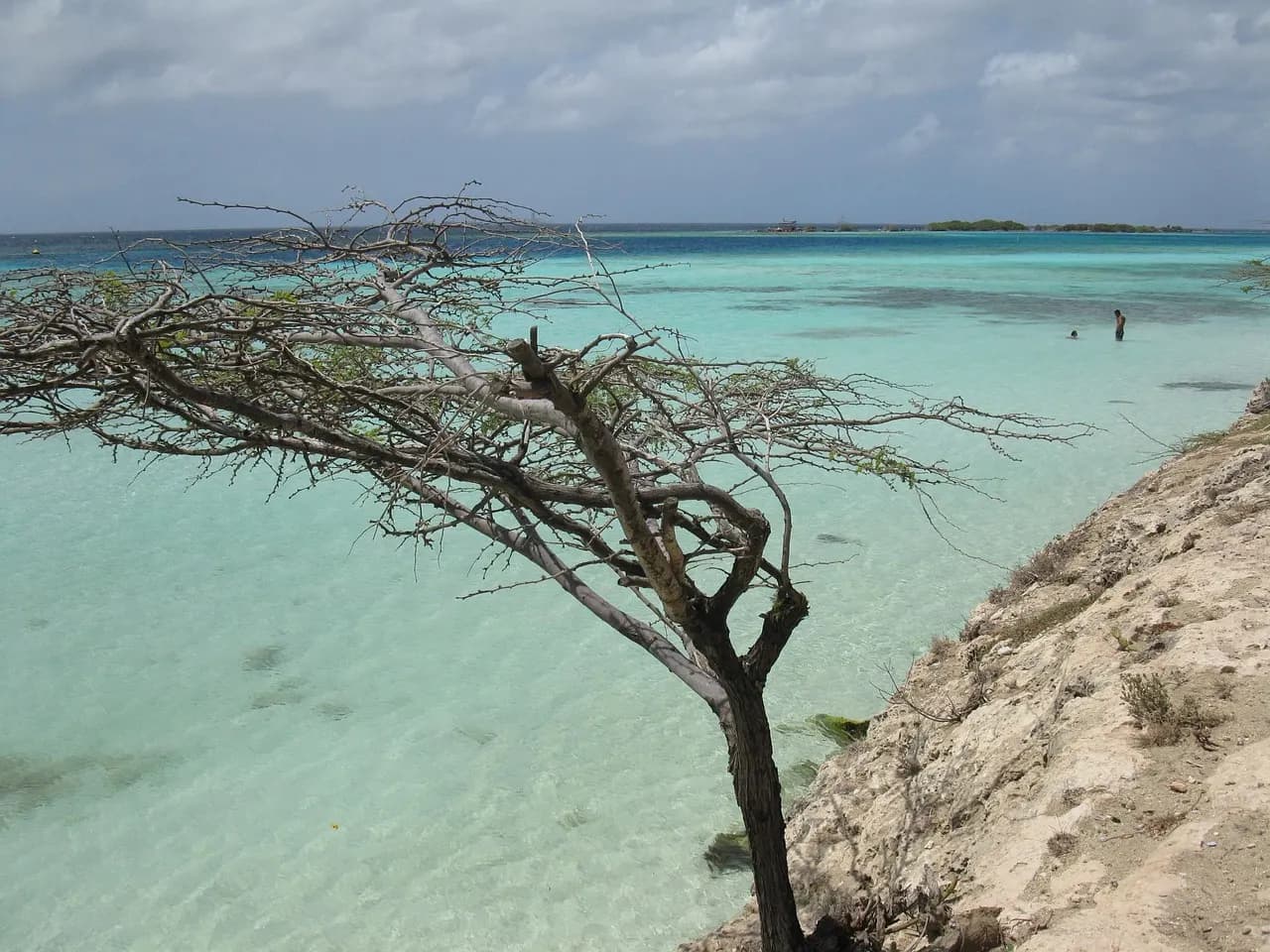
Key facts
- Water temperature
- 26–28.6 °C (79–83 °F)Monthly average, coolest to warmest month
- Snorkel tour
- US$85Typical price, checked
Book a snorkeling trip in Aruba
Trips run by local operators, booked on Viator or GetYourGuide.
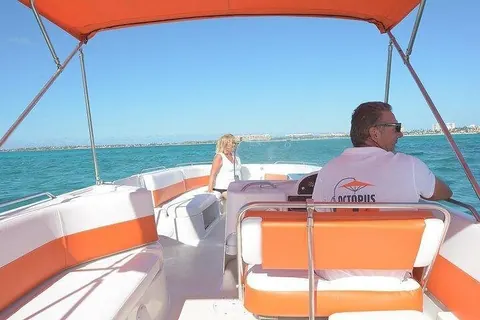 ViatorPrivate Aruba Snorkeling Excursion with Rum PunchView on Viator (opens in a new tab)
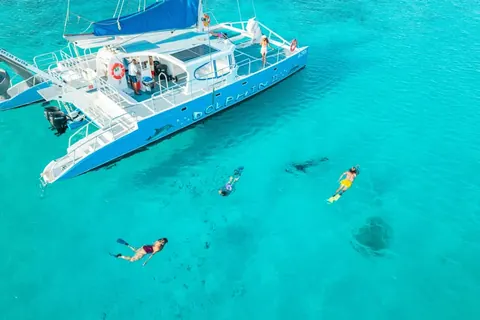 GetYourGuideAruba: Snorkel Cruise with Open Bar and Light LunchView on GetYourGuide (opens in a new tab)
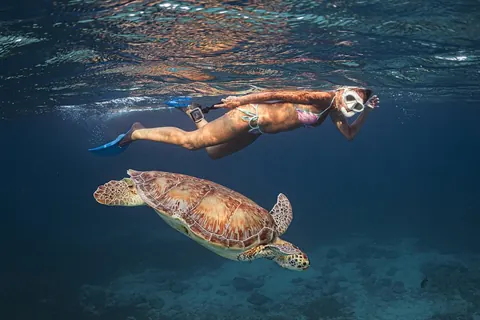 ViatorAward-Winning Private Turtle Snorkeling Aruba | Video IncludedView on Viator (opens in a new tab)
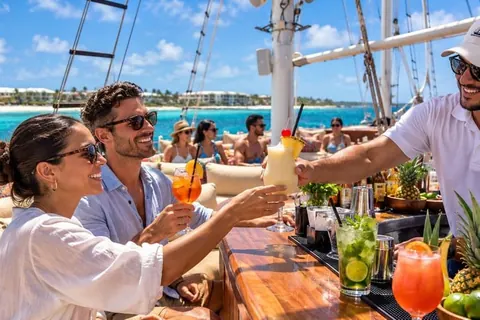 GetYourGuideAruba: Snorkel Cruise to SS Antilla WreckView on GetYourGuide (opens in a new tab)
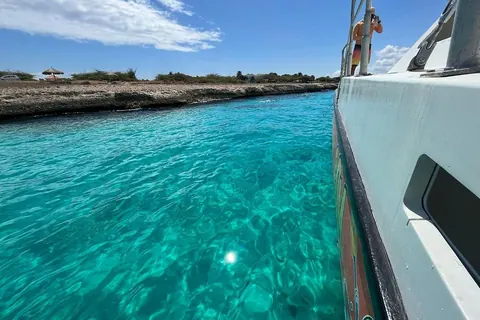 ViatorBanana Adventure Catamaran Shipwreck Snorkel and Turtle SwimView on Viator (opens in a new tab)
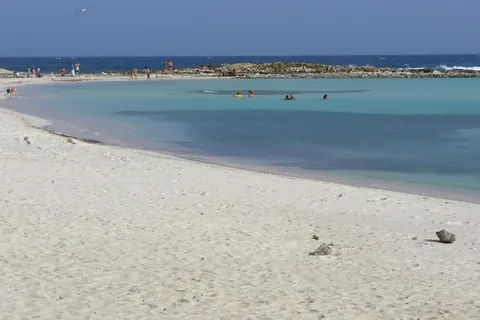 GetYourGuideAruba: Beach Hopping Snorkeling TourView on GetYourGuide (opens in a new tab)
All Aruba trips on Viator (opens in a new tab)
Ratings from GetYourGuide travellers.
Where is the best snorkeling in Aruba?
The best snorkeling in Aruba is from the beach at Boca Catalina, Catalina Cove and Tres Trapi, Arashi and Malmok in the north, at Mangel Halto near Savaneta for strong swimmers, and at Baby Beach in the south, with the Antilla wreck reached by boat.
- Arashi Beach: sandy and shallow, with small colorful fish, palometas near shore and bottom feeders; busy with locals on Sundays.
- Boca Catalina: a small secluded bay near Malmok with palometas, trunkfish and sergeant majors close in, and bigger fish and corals farther out. The catamaran sails stop here too.
- Catalina Cove and Tres Trapi: rocky coves just north of Boca Catalina, with blue tangs, bar jacks and barred hamlets along the rock edges. Tres Trapi is named for its rock steps and has many sea stars; look, but do not touch.
- Malmok Beach: rocky coves near the last high-rise hotels with sergeant majors, bluehead wrasse, butterflyfish and French angelfish. Sharp rocks and sea urchins at the entry make water shoes a good idea.
- Antilla wreck: a Second World War shipwreck that is a stop on the main catamaran sails.
- Mangel Halto: a shallow spot near Savaneta inside a marine protected area, with parrotfish, blue tangs and rays; for strong swimmers only.
- Baby Beach: a half-moon lagoon near San Nicolas, shallow enough to wade far out; the snorkeling is where the bay opens to the sea.
| Spot | Entry | Level | Currents | Facilities | Highlights |
|---|---|---|---|---|---|
| Arashi Beach | Shore | Beginner | Mild | Large parking area, shade huts, public transport, beach bar and restaurant nearby; no snorkel rental, bring your own gear | Sandy, shallow north-coast beach with small colourful fish, palometas near shore and bottom feeders; busy with locals on Sundays. |
| Boca Catalina | Shore | Beginner | Mild | Parking along the main road; steps down to the beach | Small secluded bay in the Malmok area: palometas, trunkfish and sergeant majors near shore, bigger fish and corals farther out. A regular stop of the catamaran snorkel sails. |
| Catalina Cove and Tres Trapi | Shore | Beginner | Mild | – | Rocky coves just north of Boca Catalina: blue tangs, bar jacks and barred hamlets along the rock edges; Tres Trapi is named for its rock steps and has many sea stars (look, don't touch). |
| Malmok Beach | Shore | Intermediate | Mild | – | Rocky coves near the last high-rise hotels with sergeant majors, bluehead wrasse, butterflyfish and French angelfish; sharp rocks and sea urchins at the entry. |
| Antilla wreck | Boat | Intermediate | Mild | Reached on catamaran snorkel sails (De Palm, Red Sail, Pelican) | WWII shipwreck that is a stop on the main catamaran snorkel sails, usually combined with Boca Catalina, Catalina Bay or Malmok. |
| Mangel Halto | Shore | Intermediate | Strong | Wooden deck at the water | Shallow spot near Savaneta inside the Mangel Halto marine protected area: calm water past the rocky shore, parrotfish, blue tangs and rays, and a reef that drops to about 110 ft farther out. Strong currents and rough sea at times; for strong swimmers. |
| Baby Beach | Shore | Beginner | Mild | Snorkel gear, beach bed and windscreen rental, refreshment stand and grill, public bathroom, free shade huts | Half-moon lagoon near San Nicolas, shallow enough to wade far out; snorkeling is where the bay opens to the sea, and swimmers must stay inside the marked snorkel area. |
Where can beginners snorkel in Aruba?
Beginners in Aruba do best at Arashi Beach, sandy and shallow with small fish close to shore, at the small bay of Boca Catalina, and inside the marked snorkel area at Baby Beach.
Arashi has a large parking area, shade huts, public transport and a beach bar and restaurant nearby, but nowhere to rent snorkel gear, so bring your own. At Boca Catalina you park along the main road and take steps down to the sand. Baby Beach has the most facilities: snorkel gear, beach beds and windscreens for rent, a refreshment stand with a grill, public bathrooms and free shade huts. Swimmers there must stay inside the marked snorkel area; the lagoon is shallow enough to wade far out before the snorkeling starts where it meets the sea.
Is Mangel Halto good for snorkeling?
Mangel Halto near Savaneta is good snorkeling for strong swimmers: past the rocky shore you find parrotfish, blue tangs and rays, and the reef drops to about 110 ft (34 m) farther out, but strong currents and rough sea can build there.
You get in from a wooden deck at the water. The spot lies inside the Mangel Halto marine protected area, one of the four areas of Parke Marino Aruba, so feeding or collecting anything is off limits. Weak swimmers should pick another beach. If you want company, Aruba Bob runs guided shore snorkels here from US$100, with a sea scooter and photos included.

How much is a snorkel cruise in Aruba?
An Aruba snorkel sail costs US$69–107 per adult with gear, typically about US$85: De Palm's three-hour afternoon catamaran is US$69, Pelican's 2.5-hour sail US$70 and Red Sail's four-hour lunch sail US$107.
The sails stop at the Antilla wreck and pair it with Boca Catalina, Catalina Bay or Malmok. De Palm's afternoon trip has two stops; its morning sail with lunch costs US$109, close to Red Sail's. Pelican's sail visits the Antilla and Catalina Bay, and Red Sail's the Antilla, Boca Catalina and Malmok. Since you can reach Boca Catalina and Malmok from the beach yourself, the wreck and the boat day are what the ticket buys.
Prices checked
| Item | Typical price | Range |
|---|---|---|
| Snorkel tour | US$85 | US$69–US$107 |
Prices change; confirm with the operator before you book.
What are the snorkeling rules in Aruba?
In Aruba's protected areas you may not feed, disturb, trap or collect any plant or animal, sunscreens containing oxybenzone have been banned since 2019, and taking shells, coral, sand or sea life off the island can earn you a fine at the airport.
Parke Marino Aruba is made up of four marine protected areas, Sero Colorado, Oranjestad, Mangel Halto and Arikok, managed by the Aruba Conservation Foundation. It is free and open at all hours; wildlife feeding and kitesurfing are banned inside it. The ban on taking things home covers sand dollars and dried sea stars as well as shells and white sand. The conservation fee for Arikok National Park applies on land inside that park, not at these beaches.
- Parke Marino Aruba, the island's four marine protected areas (Sero Colorado, Oranjestad, Mangel Halto and Arikok), was established by law AB 2018 no. 77 and is managed by the Aruba Conservation Foundation.
- In the marine protected areas wildlife feeding and kitesurfing are strictly prohibited and some other activities are restricted.
- In Aruba's protected areas, disturbing, trapping, collecting or feeding any plants or animals is strictly prohibited.
- Taking sea shells, coral, white sand or sea life (including sand dollars and dried sea stars) off the island is against the law and can be fined at the airport.
- Aruba banned sunscreens containing oxybenzone in 2019.
- At Baby Beach, stay within the marked snorkel area.
| Fee | Amount |
|---|---|
| Parke Marino Aruba (marine park) entry: free, open at all hours | Free |
What is the water temperature for snorkeling in Aruba?
Aruba's sea averages 26.0 °C (79 °F) in February, the coolest month, and 28.6 °C (83 °F) in September and October, the warmest.
The difference across the year is under 3 °C (5 °F), so there is no off-season for the water itself. The Atlantic hurricane season runs from June to November, but Aruba lies on its southern edge, like its neighbors Bonaire and Curaçao.
Can you scuba dive in Aruba?
Yes: Aruba has dive shops such as Aruba Bob Snorkel & Scuba, and its reefs go well below snorkel depth, for example at Mangel Halto, where the reef drops to about 110 ft (34 m).
This page covers snorkeling, so ask the shops directly for dive trips and prices. For a full dive guide to the same southern Caribbean waters, with shore sites, prices and park fees, see our Bonaire diving guide.
Frequently asked questions
Do you need a tour to snorkel in Aruba?
No. Arashi, Boca Catalina, Catalina Cove, Tres Trapi, Malmok, Mangel Halto and Baby Beach are all shore entries, and the marine park is free at all hours. You need a boat only for the Antilla wreck. Bring your own gear for Arashi, where there is no rental; Baby Beach rents snorkel gear on the sand.
Is Baby Beach good for snorkeling?
Yes, for a gentle swim. Baby Beach near San Nicolas is a half-moon lagoon so shallow you can wade far out, and the snorkeling is where the bay opens to the sea. You must stay inside the marked snorkel area. Gear, beach beds and windscreens are for rent, and there are bathrooms, a refreshment stand and free shade huts.
Is there a fee to snorkel in Aruba?
No. Parke Marino Aruba, the island's network of four marine protected areas, is free to enter and open at all hours, and the conservation fee for Arikok National Park applies only on land inside that park, so none of the snorkel spots on this page needs it. Budget instead for gear rental, a guide or a catamaran sail.
What sunscreen can you use in Aruba?
Aruba banned sunscreens containing oxybenzone in 2019, so check the label and buy an oxybenzone-free product before you go in. The ban is part of a wider effort to protect the reefs, along with the rules against feeding fish and collecting shells, coral or sand. A rash guard also cuts down how much sunscreen you need.
Can you take shells or sand home from Aruba?
No. Taking sea shells, coral, white sand or sea life off the island is against the law, and that includes sand dollars and dried sea stars. Fines are handed out at the airport. In the protected areas, collecting or disturbing any plant or animal is also strictly prohibited.


