Dive guide · Mauritius
Scuba Diving in Mauritius
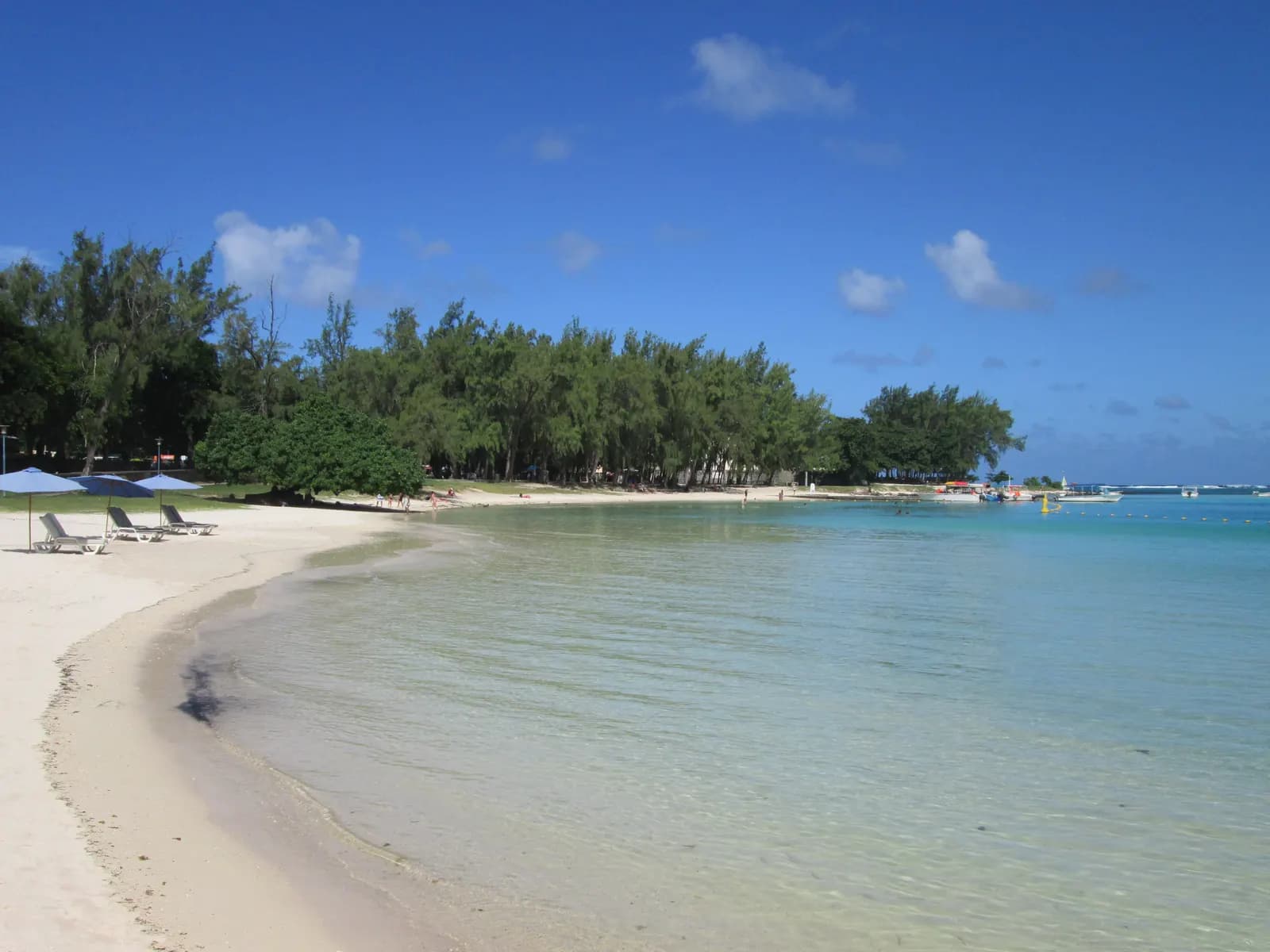
Mauritius is dived all year from bases on the north, east and west coasts, with the Stella Maru wreck, the reefs off Coin de Mire and Belle Mare's coral gardens among its best-known sites. The sea averages 23.5 °C (74 °F) in August and 27.9 °C (82 °F) in February, and two boat dives usually cost about MUR 5,100.
Key facts
- Best months
- April to May and October to December
- Water temperature
- 23.5–27.9 °C (74–82 °F)Monthly average, coolest to warmest month
- Level
- Beginner to advanced
- Open Water course
- MUR 25,400Typical price, checked
- Two-tank boat dive
- MUR 5,087.50Typical price, checked
- Discover Scuba (try dive)
- MUR 4,300Typical price, checked
- Airport
- Sir Seewoosagur Ramgoolam International Airport (MRU)
- Nearest chamber
- Decompression chamber, Victoria Hospital, Candos (Quatre Bornes)
Book a dive trip in Mauritius
Trips run by local operators, booked on Viator or GetYourGuide.
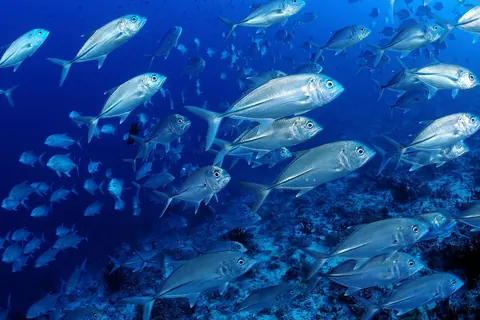 ViatorDiving Exploration around the Pass of Belle Mare MauritiusView on Viator (opens in a new tab)
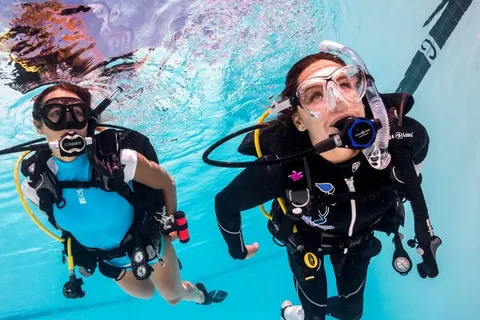 GetYourGuideMauritius: East Belle Mare Scuba Diving TourView on GetYourGuide (opens in a new tab)
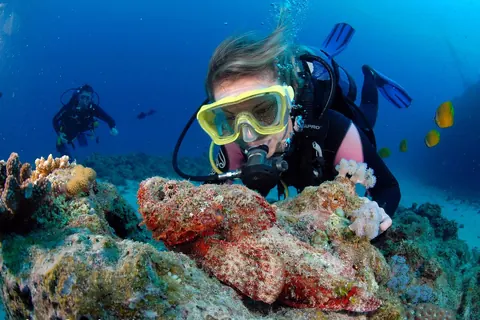 ViatorDiving and Sea Diving BaptismView on Viator (opens in a new tab)
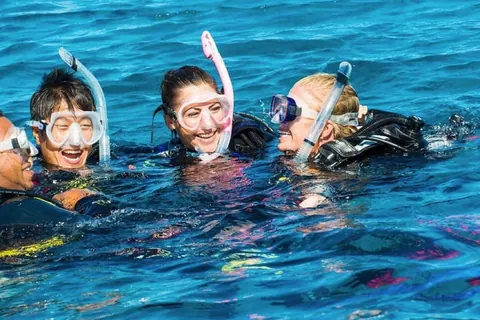 GetYourGuideMauritius: Diving in the North with Blue World AdventuresView on GetYourGuide (opens in a new tab)
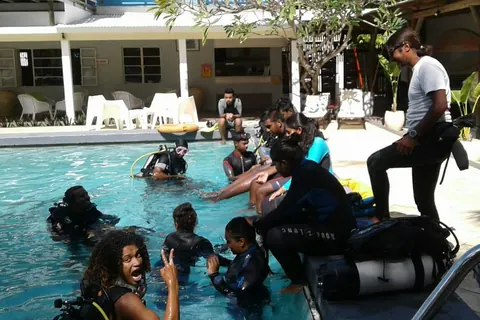 GetYourGuideTamarin Bay: Beginner Scuba Diving ExperienceView on GetYourGuide (opens in a new tab)
All Mauritius trips on Viator (opens in a new tab)
Ratings from GetYourGuide travellers.
When is the best time to dive in Mauritius?
Diving in Mauritius runs all year, and our pick is April–May and October–December, outside the cooler southern winter of June to September and the wettest weeks of the cyclone season, which officially runs from 1 November to 15 May.
Two seasons
- Summer, November to April: warm and humid, with the sea at 25.2–27.9 °C (77–82 °F). It is also the cyclone season, officially 1 November to 15 May. February and March are usually the wettest months, and storms can still form outside the official dates.
- Winter, June to September: cooler and drier, with the water down to 23.5–25 °C (74–77 °F). Humpback whales pass the island in winter; local divers report them from about May to October.
May and October are the transition months, and October is usually the driest month of the year. That is why we suggest April–May and October–December: warm water without the coolest weeks and before the heaviest rain of February and March. If you travel in summer, leave a spare day or two in case a storm keeps the boats in port.
| Month | Average water temperature | Season |
|---|---|---|
| January | 27.5 °C (82 °F) | Outside the best months |
| February | 27.9 °C (82 °F) | Outside the best months |
| March | 27.8 °C (82 °F) | Outside the best months |
| April | 27.4 °C (81 °F) | Best month to dive |
| May | 26.5 °C (80 °F) | Best month to dive |
| June | 25 °C (77 °F) | Outside the best months |
| July | 24 °C (75 °F) | Outside the best months |
| August | 23.5 °C (74 °F) | Outside the best months |
| September | 23.6 °C (74 °F) | Outside the best months |
| October | 24.1 °C (75 °F) | Best month to dive |
| November | 25.2 °C (77 °F) | Best month to dive |
| December | 26.7 °C (80 °F) | Best month to dive |
What are the best dive sites in Mauritius?
The Mauritius sites in our table run from sheltered shallows such as Grand Baie Aquarium at 8–14 m (26–46 ft) to Whale Rock in the north at 26–38 m (85–125 ft), with the Stella Maru wreck at 18–24 m (59–79 ft) in between.
Shallow north-coast reefs
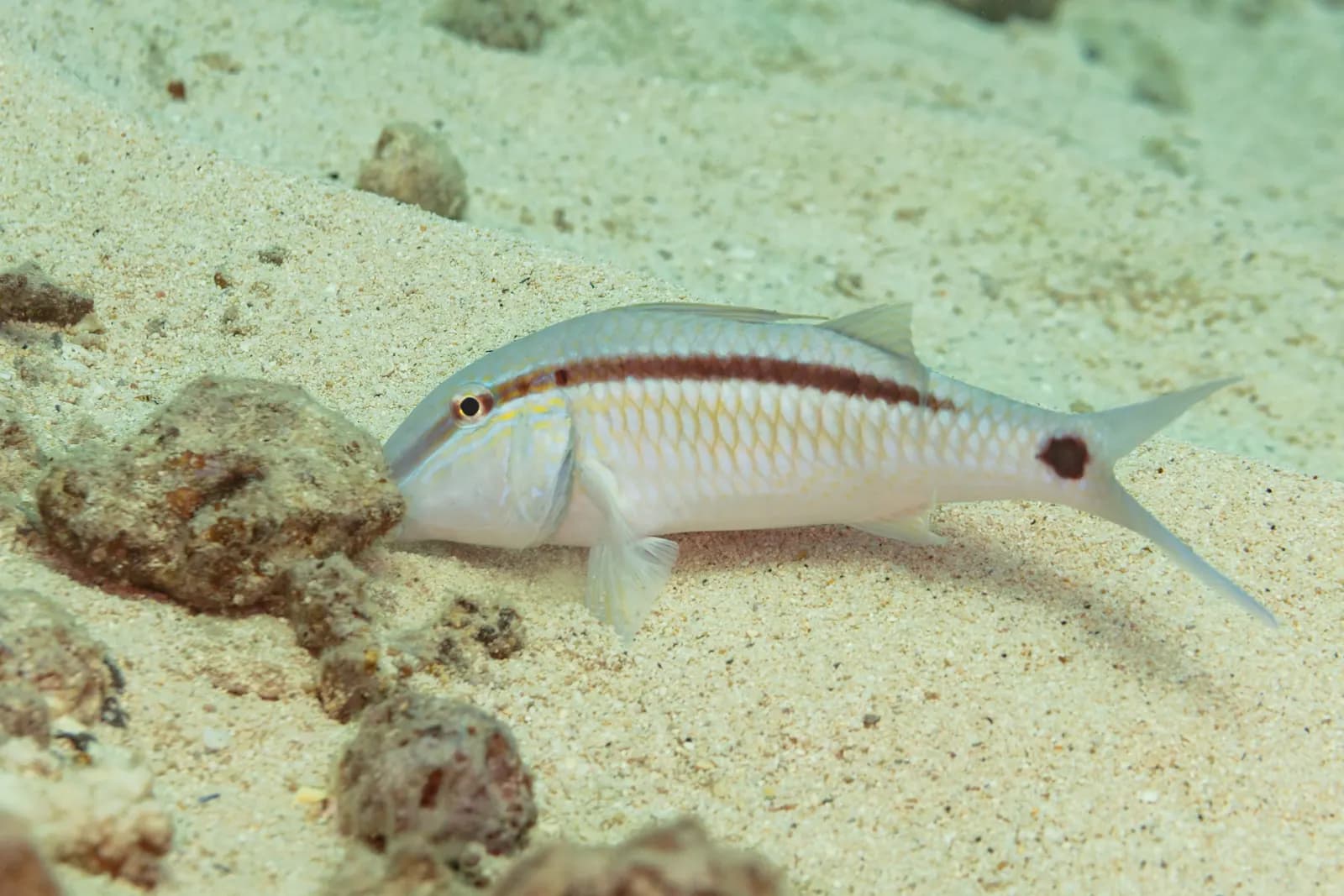
Grand Baie Aquarium is a calm, sheltered reef off Grand Baie with soft and hard corals, angelfish, torpedo rays and small morays. Coral Garden, at 12–18 m (39–59 ft), has squirrelfish, schools of goatfish and titan triggerfish. Confetti Bay, by the island of Gunner's Quoin (Coin de Mire), is shallow at 5–18 m (16–59 ft) and crowded with reef fish.
The wreck and the deeper sites
The Stella Maru is a Japanese trawler sunk on purpose in 1987, still in good condition and sheltering many fish. Lost Anchor, at 24–30 m (79–98 ft), has three peaks hung with sea fans, black and soft corals, and an old anchor overgrown with fans; watch for stonefish and passing pelagics. Whale Rock, in the north, has rock formations with clownfish, triggerfish and a leopard moray, and small sharks on its deeper part for the lucky.
East coast: Belle Mare
Japanese Garden, at 19–24 m (62–79 ft), has flying gurnards, groupers, angelfish and nudibranchs. Long Cliff is a gently sloping coral wall at 17–27 m (56–89 ft) where predators pass, and Castle is a maze of coral-walled corridors over white sand at 14–23 m (46–75 ft), with small turtles.
West coast
From Flic en Flac, centers dive Cathedral, a site of arches, walls and caves.
| Dive site | Depth | Level | Entry | Highlights |
|---|---|---|---|---|
| Stella Maru | 18–24 m (59–79 ft) | Intermediate | Boat | Japanese trawler sunk on purpose in 1987, still in good condition and sheltering many fish |
| Whale Rock | 26–38 m (85–125 ft) | Advanced | Boat | Rock formations in the north with clownfish, triggerfish and a leopard moray; small sharks for the lucky on the deeper part |
| Lost Anchor | 24–30 m (79–98 ft) | Intermediate | Boat | Three peaks with sea fans, black and soft corals and an old anchor overgrown with fans; stonefish, lobsters, passing pelagics |
| Coral Garden | 12–18 m (39–59 ft) | Beginner | Boat | Coral-covered site in the north with squirrelfish, goatfish schools and titan triggerfish |
| Grand Baie Aquarium | 8–14 m (26–46 ft) | Beginner | Boat | Calm, sheltered shallow reef off Grand Baie with soft and hard corals, angelfish, torpedo rays and small morays |
| Confetti Bay | 5–18 m (16–59 ft) | Beginner | Boat | Shallow site by Gunner's Quoin (Coin de Mire) island with dense tropical reef fish |
| Japanese Garden (Belle Mare) | 19–24 m (62–79 ft) | Intermediate | Boat | East-coast coral garden with flying gurnards, groupers, angelfish and nudibranchs |
| Long Cliff (Belle Mare) | 17–27 m (56–89 ft) | Intermediate | Boat | Gently sloping coral wall off the east coast with colourful reef fish and passing predators |
| Castle (Chateau) | 14–23 m (46–75 ft) | Intermediate | Boat | Maze of coral-walled corridors over white sand on the east coast; small turtles |
How much does diving in Mauritius cost?
In Mauritius two boat dives usually add up to about MUR 5,100 (MUR 5,000–7,000), a try dive costs MUR 4,000–5,000, and an Open Water course MUR 14,000–26,000, depending on what is included (prices checked November 2026).
- Two boat dives: Ocean Spirit's two-dive safari to Coin de Mire or Trou aux Biches costs MUR 5,000, with equipment MUR 350 a day extra; Just Diving charges MUR 5,175 for two dives on one trip, equipment included. Dive Spirit and Sundivers price single dives, MUR 2,500 (equipment and VAT included) and MUR 3,500 (with equipment), so two come to MUR 5,000 and MUR 7,000.
- Try dive: MUR 4,000 at Ocean Spirit, and at Dive Spirit for a pool session plus an ocean dive; MUR 4,600 at Just Diving with equipment; MUR 5,000 for the beginners' course at Sundivers.
- Open Water: the price depends mostly on whether eLearning and certification are included; see the next section.
Some centers set their rupee prices from euros (Just Diving works on EUR 1 = MUR 51), so small changes with the exchange rate are normal. For offers on your dates, ask Mauritius centers for a quote.
Prices checked
| Item | Typical price | Range |
|---|---|---|
| Open Water course | MUR 25,400 | MUR 14,000–MUR 26,000 |
| Two-tank boat dive | MUR 5,087.50 | MUR 5,000–MUR 7,000 |
| Discover Scuba (try dive) | MUR 4,300 | MUR 4,000–MUR 5,000 |
Prices change; confirm with the center before you book.
How much is an Open Water course in Mauritius?
An Open Water course in Mauritius usually costs about MUR 25,400 with eLearning and certification included, while the lowest offer, MUR 14,000 at Ocean Spirit, leaves out the PADI fees, about MUR 10,000 more for eLearning.
Just Diving (MUR 25,300) and Dive Spirit (MUR 26,000, with 15% VAT) include eLearning, certification and equipment. Sundivers (MUR 25,500) does not say what its price covers, so ask before you book. Once the PADI fees are added to Ocean Spirit's figure, the four offers sit close together, and the choice comes down to the instructor, the group size and where you stay.
The calm, shallow reefs of the north coast, such as Grand Baie Aquarium at 8–14 m (26–46 ft) and Confetti Bay at 5–18 m (16–59 ft), suit first open-water dives.
Can you see sharks and whales when diving in Mauritius?
Divers in Mauritius meet reef sharks, and now and then a bull shark, on safari dives to the south coast and the northern islets, and humpback whales pass the island in the southern winter, from about May to October.
The south coast and the northern islets are often too rough to dive, so centers run these safari trips only on good days; book early in your stay to leave room for a weather delay. Ocean Spirit and Just Diving sell dedicated shark dives, Just Diving's to Ile Plate. Closer to the north-coast bases, Whale Rock is the place to look for small sharks, on its deeper part down to 38 m (125 ft).
Whales are a seasonal bonus, not a scheduled sight: if one comes near the boat, let the skipper keep a respectful distance.
Do you pay a marine park fee to dive in Mauritius?
Dive centers in Mauritius do not list a marine-park fee on top of their prices, but every visiting diver fills in a form for MSDA, the national diving federation, which stays valid for two months.
Ask your center about the form when you book, and whether anything is charged for it. Rules for visitors can change, so check for new charges before you travel.
What should you know about dive safety in Mauritius?
In Mauritius the exposed safari sites and the deeper north-coast dives call for the most care, and the island's decompression chamber is at Victoria Hospital in Candos, next to Quatre Bornes, where treatment is charged.
The exposed safari sites on the south coast and around the northern islets are the ones to treat with care: go only on the days your center judges safe, and with a guide. Lost Anchor and Whale Rock reach 30–38 m (98–125 ft), past Open Water limits, so dive them only with deep training.
The chamber
A diver who needs treatment is advised to arrive at Victoria Hospital with their instructor or dive leader, so before your first dive ask your center how it would get you there and confirm the chamber is available during your stay.
Take dive insurance that covers chamber treatment and evacuation, and in the cyclone season choose travel cover that also pays for weather delays. For fitness to dive or flying after diving, ask a dive doctor or DAN.
Dive centers in Mauritius
Loading dive centers…
Frequently asked questions
When is cyclone season in Mauritius?
The official cyclone season in Mauritius runs from 1 November to 15 May, when tropical cyclones are most likely, and storms can still form outside those dates. February and March are usually the wettest months. Dive centers stay open in summer, but a storm can keep boats in port for days, so leave spare days in a summer trip and check your travel cover.
How warm is the water in Mauritius?
The sea around Mauritius averages 27.9 °C (82 °F) in February, the warmest month, and 23.5 °C (74 °F) in August, the coolest. From December to April it holds 26.7–27.9 °C (80–82 °F). From June to October it stays at 23.5–25 °C (74–77 °F), so a full wetsuit is the usual choice for a winter trip.
Is Mauritius good for beginner divers?
Yes. The north coast has calm, shallow reefs such as Grand Baie Aquarium at 8–14 m (26–46 ft) and Confetti Bay at 5–18 m (16–59 ft), and a try dive costs MUR 4,000–5,000. Leave Whale Rock and Lost Anchor, which reach 30–38 m (98–125 ft), and the exposed safari sites until you have deeper training and more logged dives.
Can you dive a wreck in Mauritius?
Yes. The best known is the Stella Maru, a Japanese trawler sunk on purpose in 1987 that still sits in good condition at 18–24 m (59–79 ft), with many fish sheltering around it. It is rated intermediate in our table, so it suits divers with some logged dives rather than a first dive after the course. Ask your center which days it runs the trip.
Which airport do you fly into for diving in Mauritius?
Fly into Sir Seewoosagur Ramgoolam International Airport (MRU). Then choose your base by the diving you want: the north coast around Trou aux Biches and Grand Baie for Coin de Mire, Whale Rock and sheltered reefs; Belle Mare on the east coast for coral gardens and a sloping wall; or Flic en Flac in the west for Cathedral.
What marine life can you see when diving in Mauritius?
Reef fish are the everyday sight: angelfish, titan triggerfish, goatfish schools, morays, torpedo rays and flying gurnards on the north and east coasts. Small turtles live around Castle at Belle Mare, reef sharks and the odd bull shark appear on safari dives to the exposed islets, and humpback whales pass in winter, from about May to October.

