Snorkeling guide
Snorkeling in Oahu
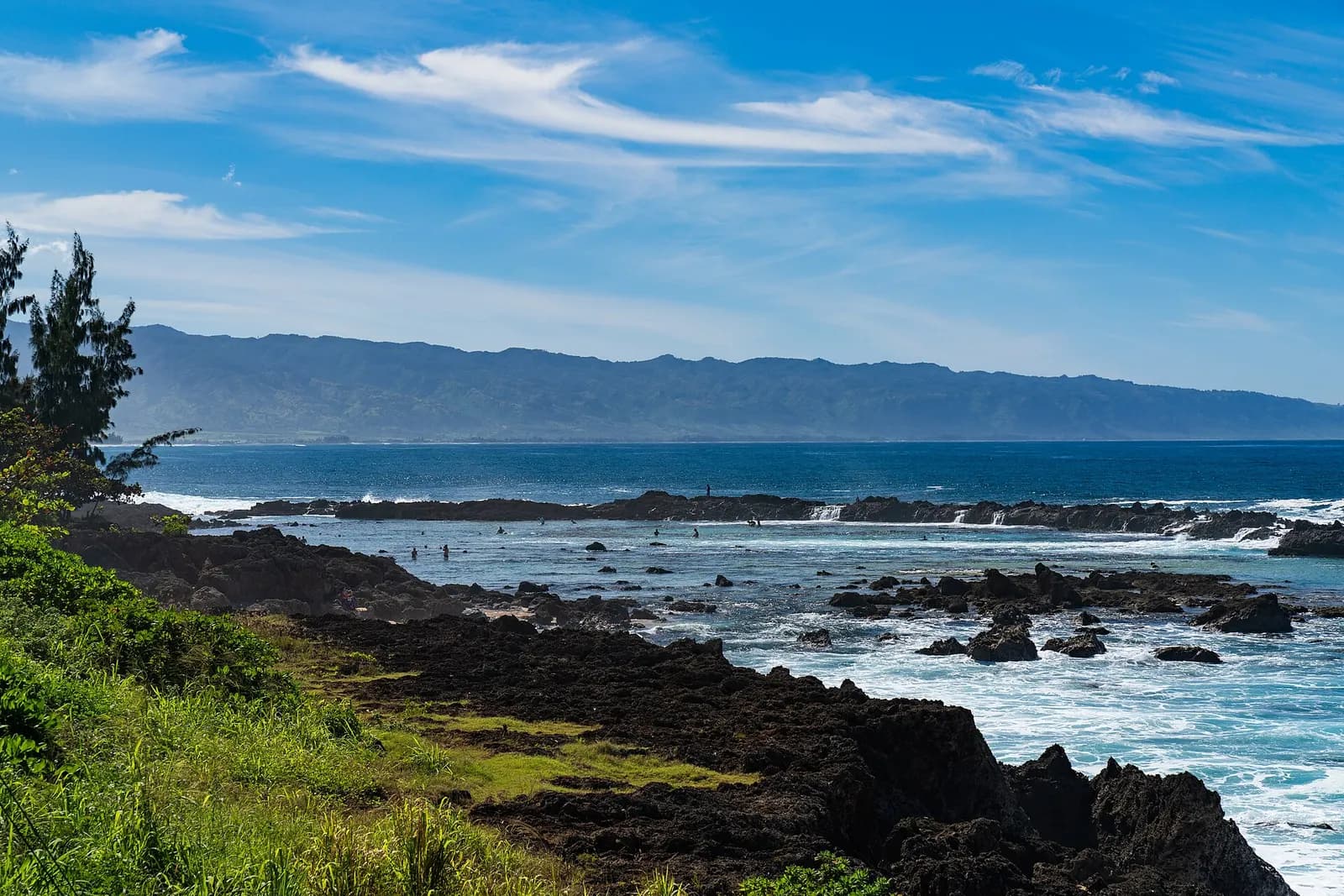
Oahu's snorkeling beyond Hanauma Bay splits by coast and season: the North Shore reserve at Shark's Cove and Three Tables is calm only from about May to October, while Kuilima Cove, the Waikīkī reef and the Ko Olina lagoons suit beginners. A Turtle Canyon boat trip from Waikīkī usually costs about US$80 per adult.
Key facts
- Water temperature
- 24–26.8 °C (75–80 °F)Monthly average, coolest to warmest month
- Snorkel tour
- US$80Typical price, checked
Book a snorkeling trip in Oahu
Trips run by local operators, booked on Viator or GetYourGuide.
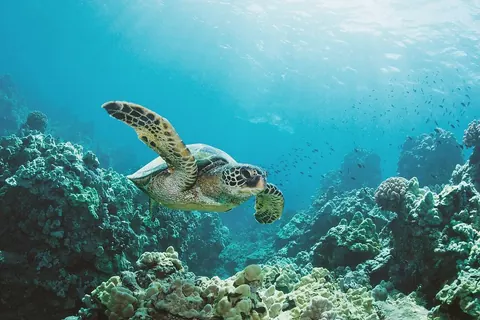 ViatorWaikiki Turtle Canyon Snorkel Adventure on OahuView on Viator (opens in a new tab)
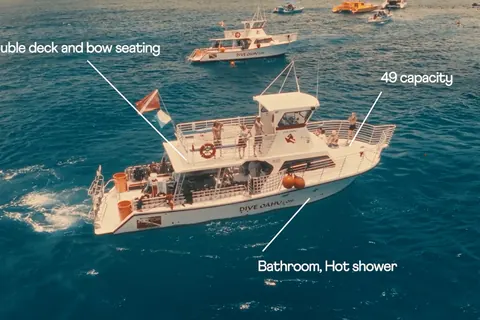 GetYourGuideOahu: Honolulu Turtle Canyon Snorkeling TourView on GetYourGuide (opens in a new tab)
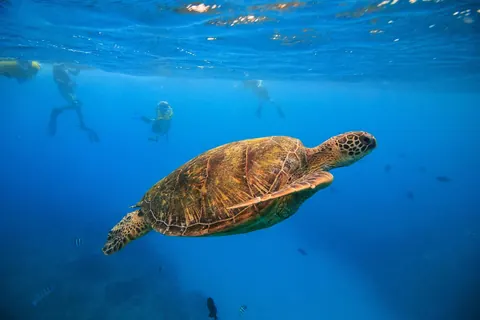 ViatorWaikiki Turtle Canyon Guided SnorkelView on Viator (opens in a new tab)
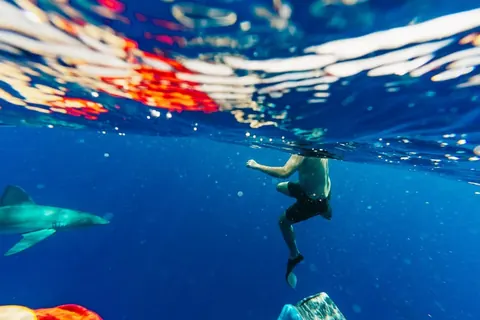 GetYourGuideOahu: North Shore Cageless Shark Snorkeling TourView on GetYourGuide (opens in a new tab)
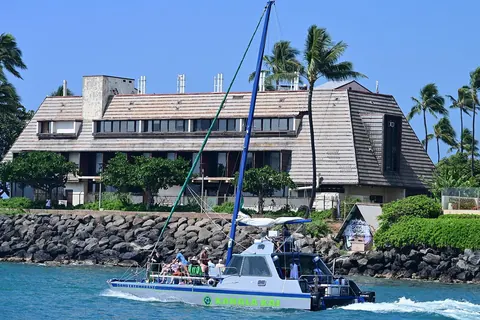 ViatorOahu Catamaran Turtle Canyon Snorkel TourView on Viator (opens in a new tab)
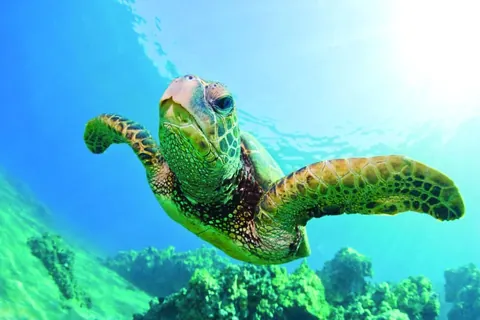 GetYourGuideOahu: Waikiki Turtle Snorkel Sail with LunchView on GetYourGuide (opens in a new tab)
All Oahu trips on Viator (opens in a new tab)
Ratings from GetYourGuide travellers.
Where is the best snorkeling on Oahu besides Hanauma Bay?
Besides Hanauma Bay, Oahu's best snorkeling is at Shark's Cove and Three Tables on the North Shore in summer, Kuilima Cove at Turtle Bay, Turtle Canyon by boat off Waikīkī, the Waikīkī reserve itself, the Ko Olina lagoons and, for strong swimmers only, Electric Beach.
Hanauma Bay, with its booking system and entry fee, has its own Hanauma Bay snorkeling guide; this page covers the rest of the island.
- North Shore: Shark's Cove and Three Tables in the Pūpūkea reserve, and Kuilima Cove at Turtle Bay.
- South shore: the Waikīkī reef flat from the beach, and Turtle Canyon by boat.
- West side: the Ko Olina lagoons for flat water, Electric Beach for experienced open-water swimmers.
Electric Beach is the one spot marked with strong currents. The others are mild on a calm day, but the North Shore spots become dangerous in winter surf and the outer Waikīkī reef in summer south swells.
| Spot | Entry | Level | Currents | Facilities | Highlights |
|---|---|---|---|---|---|
| Shark's Cove (Pūpūkea MLCD) | Shore | Intermediate | Mild | Restrooms and showers at Pūpūkea Beach Park; no lifeguard at the cove | Fairly shallow cove, about 6 m deep at the mouth, with lava rock, tide pools and caves on the northwest point; clearer and deeper outside the cove. Rocky entry. Calm roughly May to October, extremely dangerous in winter surf. |
| Three Tables (Pūpūkea MLCD) | Shore | Intermediate | Mild | No lifeguard | Flat reef tables that show at low tide in about 4.5 m of water, with ledges, arches and lava tubes farther out at 9 to 14 m. A summer spot, like the rest of the North Shore. |
| Kuilima Cove (Turtle Bay) | Shore | Beginner | Mild | Showers, restrooms; access through the resort's public parking lot; no lifeguard | Small cove sheltered by rock and reef on the far North Shore, popular with beginners; reef fish around the rocks and sometimes turtles. In high surf a strong rip runs out of the cove mouth, so stay inside it. |
| Turtle Canyon (off Waikīkī) | Boat | Intermediate | Mild | Tour boats only, from Waikīkī; tours supply gear and a snorkel vest | Open-water reef about 9 m deep just off Waikīkī where green sea turtles are often seen. Operators ask for confident swimmers; vests are worn throughout. |
| Waikīkī Marine Life Conservation District (Kapahulu groin to the Natatorium) | Shore | Beginner | Mild | Lifeguards year-round at the Waikīkī end, restrooms, showers, snack bar | Reef flat about 1 m deep off the Waikīkī Aquarium, with fish along a 2.4 m channel and the Natatorium wall. The outer reef edge drops to 4.5–6 m with arches and crevices, but summer south swells make it dangerous. |
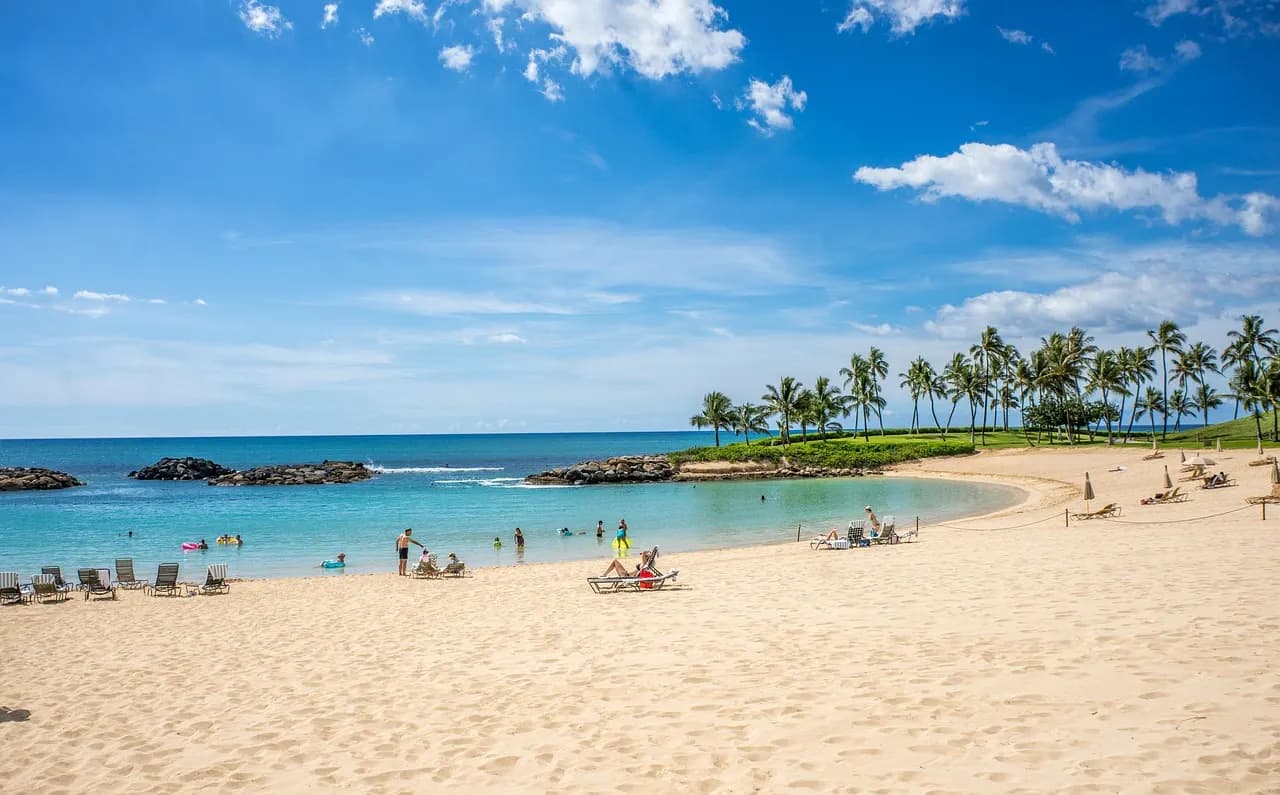
| Ko Olina lagoons | Shore | Beginner | None | Paved walkways, beach access, resort amenities nearby | Four man-made lagoons enclosed by rock walls on the west coast: calm all year and good for families, though fish and coral are limited. Busy on weekends. |
| Electric Beach (Kahe Point) | Shore | Advanced | Strong | – | Warm outflow from a power plant draws fish, frequent turtles and sometimes spinner dolphins. Open-ocean exposure, strong currents and a rocky entry: calm days and strong swimmers only. Car break-ins are reported in the lot. |
When can you snorkel Shark's Cove and Three Tables?
Snorkel Shark's Cove and Three Tables from about May to October, when Oahu's North Shore is generally calm; in winter, the state's aquatic resources division calls the whole Pūpūkea reserve extremely dangerous.
Shark's Cove is fairly shallow, about 6 m (20 ft) at the mouth, with tide pools and caves on the northwest point and clearer, deeper water outside the cove. The entry is rocky, so take it slowly. Three Tables has flat reef tables that show at low tide in about 4.5 m (15 ft) of water; the ledges, arches and lava tubes farther out, at 9 to 14 m (30 to 46 ft), are better seen by divers.
Lifeguards work only at Waimea Bay, not at either spot, and the restrooms and showers are at Pūpūkea Beach Park. Shark's Cove is also a summer shore dive; our Hawaii diving guide covers diving it.
Is Kuilima Cove good for snorkeling?
Kuilima Cove at Turtle Bay is one of Oahu's better beginner snorkels, a small cove sheltered by rock and reef with reef fish around the rocks and sometimes turtles, as long as you stay inside it when the surf is up.
You reach the cove through the resort's public parking lot. There are showers and restrooms, but no lifeguard. In high surf a strong rip runs out through the mouth of the cove, so keep children well inside the rocks.
How much is a Turtle Canyon snorkel tour from Waikiki?
A Turtle Canyon snorkel boat trip from Waikīkī usually costs about US$80 per adult, and listed prices run from US$60 to US$139.95 (prices checked November 2026).
The spread comes from what the ticket includes. Ke Kai charges US$60 for a 1.5-hour trip and takes adults 21 and over; Holokai charges US$80 for 2.5 hours, ages 4 and up; Hawaii Nautical starts at US$139.95 for a 2-hour sail with drinks included.
All three supply gear and a snorkel vest, and the vest stays on for the whole swim: the reef lies about 9 m (30 ft) down in open water, and operators want confident swimmers. Permitted tours also collect the state's US$1 Ocean Stewardship User Fee per passenger. Green sea turtles are often seen here; keep at least 10 ft (3 m) away, even when one swims toward you.
Prices checked
| Item | Typical price | Range |
|---|---|---|
| Snorkel tour | US$80 | US$60–US$139.95 |
Prices change; confirm with the operator before you book.
Can you snorkel from the beach in Waikiki?
Yes: the Waikīkī Marine Life Conservation District, between the Kapahulu groin and the Natatorium, is a reef flat about 1 m (3 ft) deep that you snorkel straight from the beach, with lifeguards year-round at the Waikīkī end.
The most fish gather along a 2.4 m (8 ft) channel off the Waikīkī Aquarium and beside the Natatorium wall. Beyond them, the outer reef edge drops to 4.5–6 m (15–20 ft) with arches and crevices, but summer south swells make it dangerous, so keep it for flat days. There are restrooms, showers and a snack bar, and the reserve's shore is backed by Kapiʻolani Regional Park, which is free and open to the public.
Is Ko Olina or Electric Beach better for snorkeling?
On Oahu's west side, the Ko Olina lagoons suit families and first-timers because they stay calm all year, while Electric Beach at Kahe Point has more fish and turtles but strong currents and a rocky, exposed entry.
Ko Olina has four man-made lagoons enclosed by rock walls, with paved walkways and resort amenities nearby. Fish and coral are limited, and weekends get busy.
At Electric Beach, warm outflow from a power plant draws fish, frequent turtles and sometimes spinner dolphins. Go only on a calm day and only if you swim well in open water, and leave nothing in the car, since break-ins are reported in the lot. If dolphins come by, federal law keeps you at least 50 yards (46 m) away.
What are the snorkeling rules on Oahu?
Oahu's Pūpūkea and Waikīkī reserves are Marine Life Conservation Districts, so taking or injuring marine life and removing sand or coral are banned in both, and feeding fish is banned at Pūpūkea.
At Pūpūkea you may not even carry gear that could take marine life, and limited shore fishing is allowed only at Waimea Bay. Around the island, federal guidelines ask for 10 ft (3 m) from sea turtles and 50 ft (15 m) from monk seals. The rules and fees for the spots on this page follow.
- Pūpūkea Marine Life Conservation District (Shark's Cove, Three Tables, Waimea Bay): no taking or injuring marine life, no feeding fish and no carrying gear that could take marine life; limited shore fishing is allowed only at Waimea Bay.
- DLNR warns that winter currents and waves make the whole Pūpūkea district extremely dangerous; lifeguards work only at Waimea Bay, not at Shark's Cove or Three Tables.
- Waikīkī Marine Life Conservation District: fishing, taking or injuring any marine life, and taking or altering sand or coral are prohibited.
- Federal law bans swimming with, approaching or staying within 50 yards (46 m) of spinner dolphins in Hawaiʻi. NOAA asks swimmers to keep at least 10 ft (3 m) from sea turtles and 50 ft (15 m) from monk seals.
| Fee | Amount |
|---|---|
| Kapiʻolani Regional Park, Waikīkī (the city park behind the Waikīkī MLCD shore): entry | Free |
| Ocean Stewardship User Fee, collected per passenger by permitted commercial ocean tours (since 1 January 2024) | US$1 |
Frequently asked questions
Is Shark's Cove safe to snorkel in winter?
No. In winter, currents and waves make the whole Pūpūkea reserve, Shark's Cove and Three Tables included, extremely dangerous, and there is no lifeguard at either spot; the nearest lifeguards are at Waimea Bay. Plan the North Shore for about May to October, and in winter snorkel the Ko Olina lagoons, the Waikīkī reef flat or Hanauma Bay instead.
Where can kids snorkel on Oahu?
The Ko Olina lagoons are the calmest choice on Oahu, sheltered by rock walls all year. The Waikīkī reef flat is about 1 m (3 ft) deep with lifeguards at the Waikīkī end, and Kuilima Cove works when you stay inside the cove. Turtle Canyon tours take children too: Holokai's trip is for ages 4 and up.
Will you see turtles on a Turtle Canyon snorkel?
Green sea turtles are often seen at Turtle Canyon, an open-water reef about 9 m (30 ft) deep just off Waikīkī, but no trip can guarantee one. Tours supply a snorkel vest that stays on the whole time. Keep at least 10 ft (3 m) from any turtle and let it surface freely.
Is Electric Beach good for beginners?
No. Electric Beach at Kahe Point is an open-ocean site with strong currents and a rocky entry, so it is for strong swimmers on calm days only. The warm water from the power plant draws plenty of fish and turtles, which is the appeal. Beginners do better in the Ko Olina lagoons on the same coast, which stay calm all year.
How warm is the water for snorkeling on Oahu?
The sea around the main Hawaiian islands averages about 24.4 °C (76 °F) in February and March, the coolest months, and about 27 °C (81 °F) in September and October. Turtle Canyon tours supply a vest and gear; if you get cold easily, bring a thin wetsuit top for longer swims at Shark's Cove or Electric Beach.


